1
/
of
17
HSM
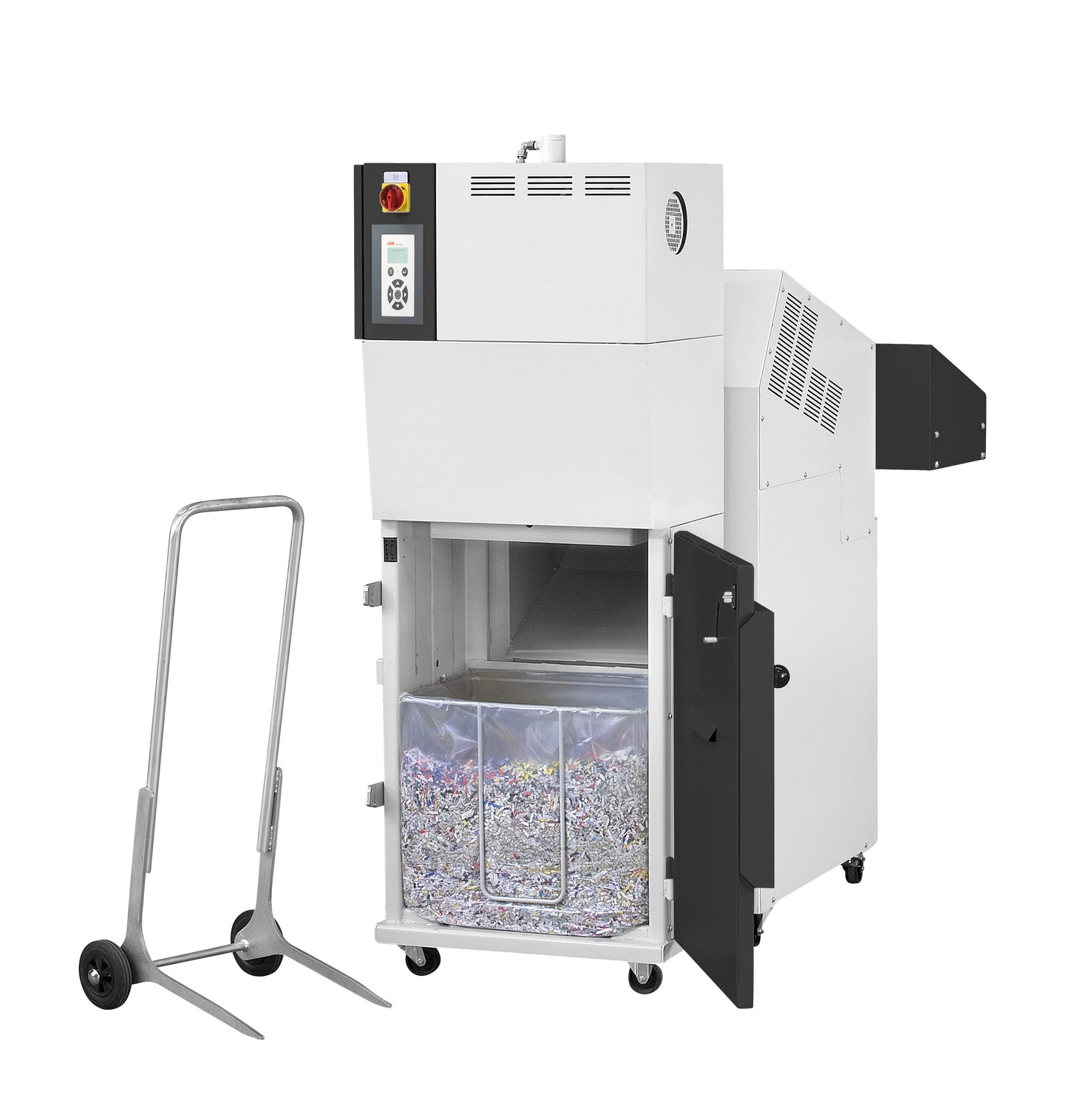
HSM Powerline SP 4040 V - 1/4 x 2 Industrial Shredder and Baler - HSM3514
HSM Powerline SP 4040 V - 1/4 x 2 Industrial Shredder and Baler - HSM3514
Regular price
$23,430.66 USD
Regular price
$43,154.23 USD
Sale price
$23,430.66 USD
Product listing details
- Vendor
- HSM
- Product type
- Heavy duty shredder + Baler Combination
- Condition
- New
- SKU
- 2514111147
- GTIN
- 4026631037174
- Price
- $23,430.66 USD
- Currency
- USD
- Availability
- In stock
- Shipping policy
- Click to view policy
- Refund policy
- Click to view policy
- Return policy
- Click to view policy
🚚 Free Shipping Across the USA
Quantity
Couldn't load pickup availability
Description
Description
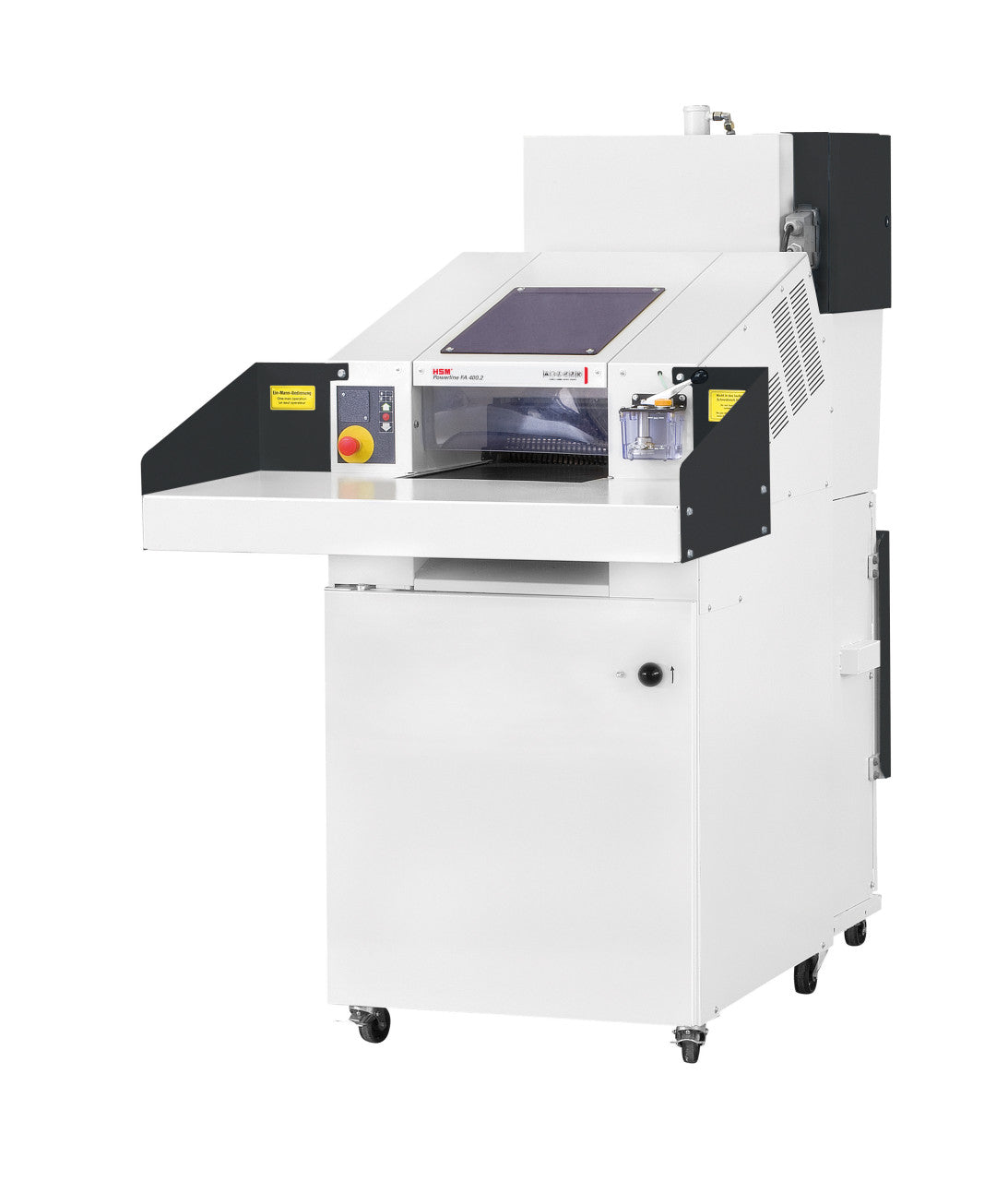
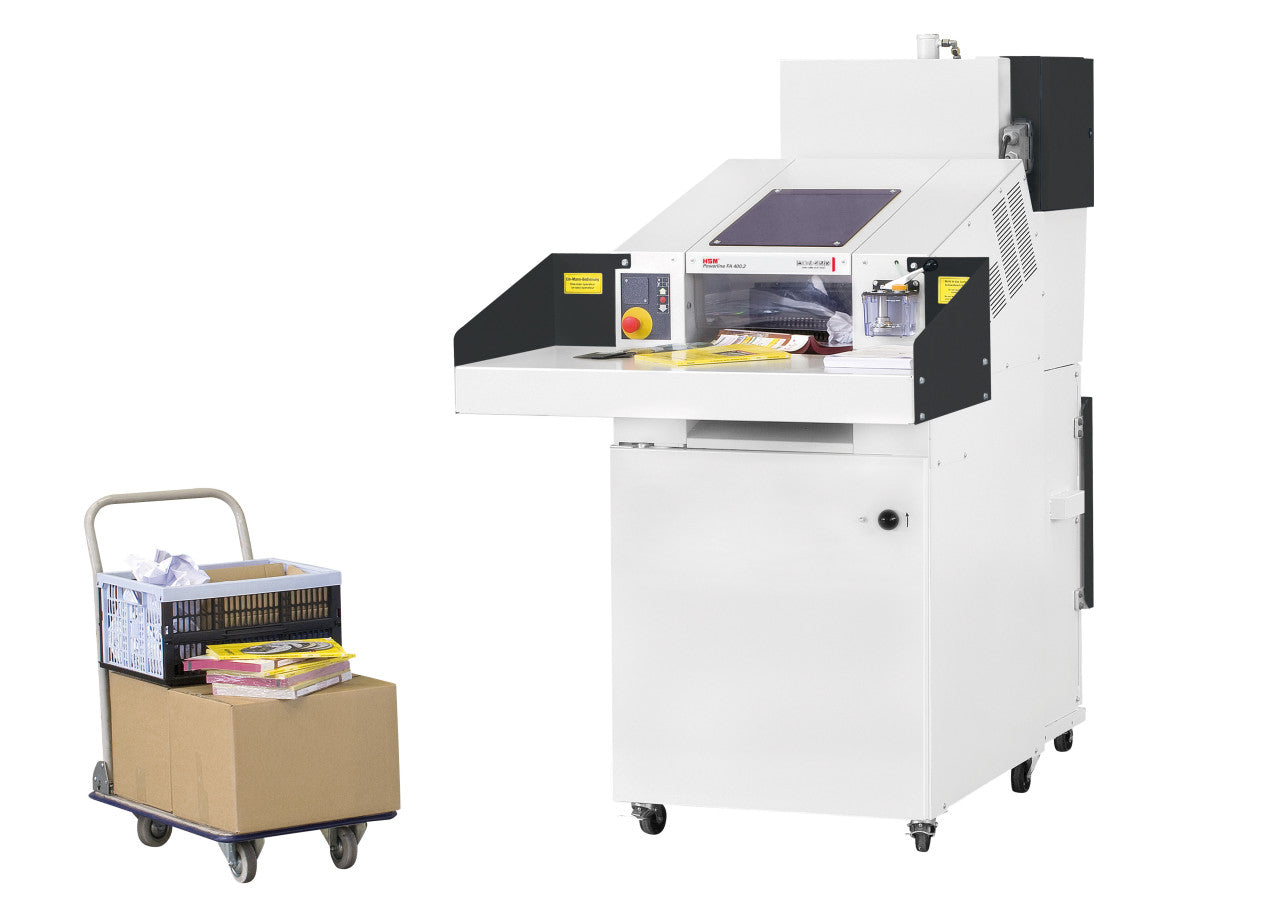
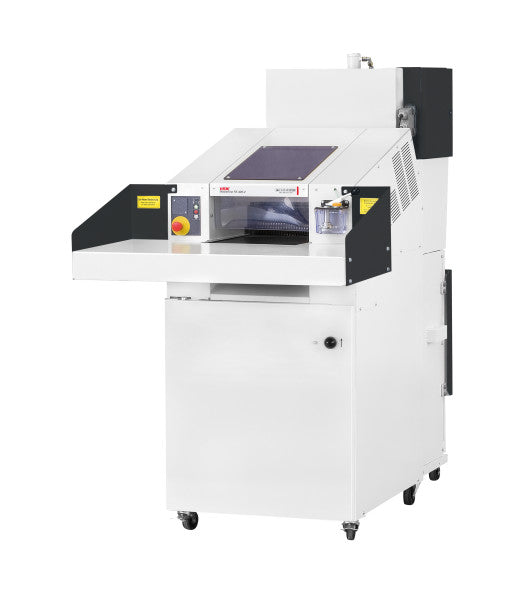
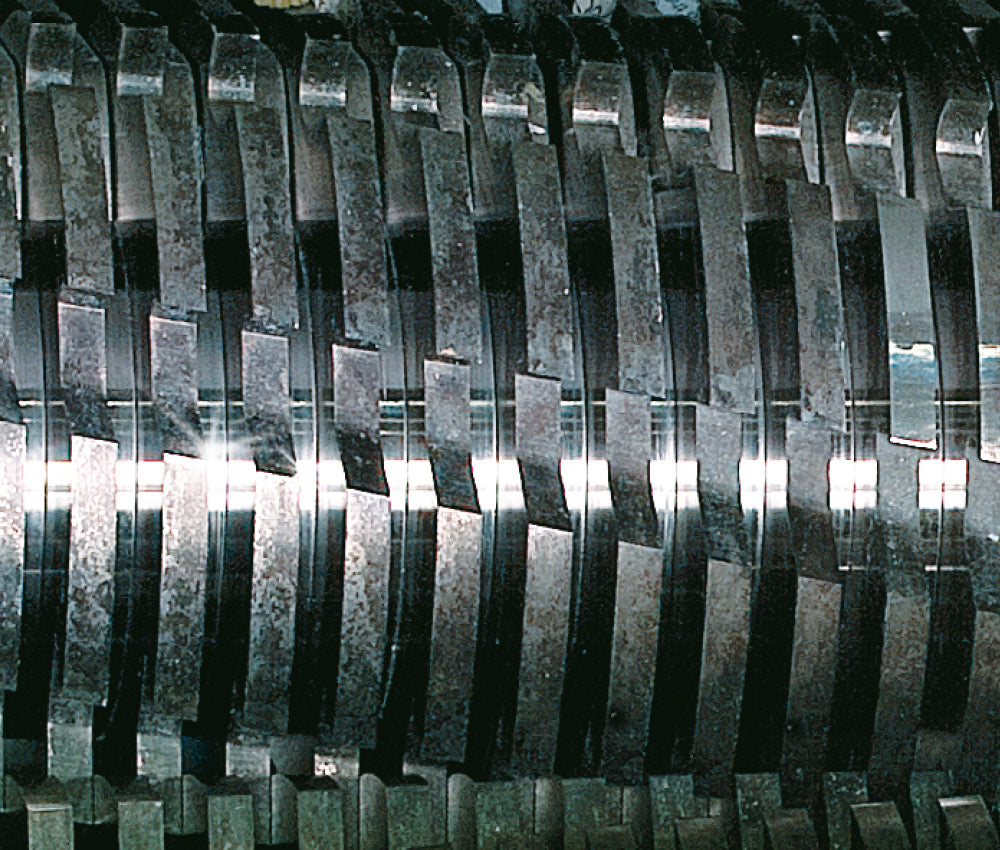
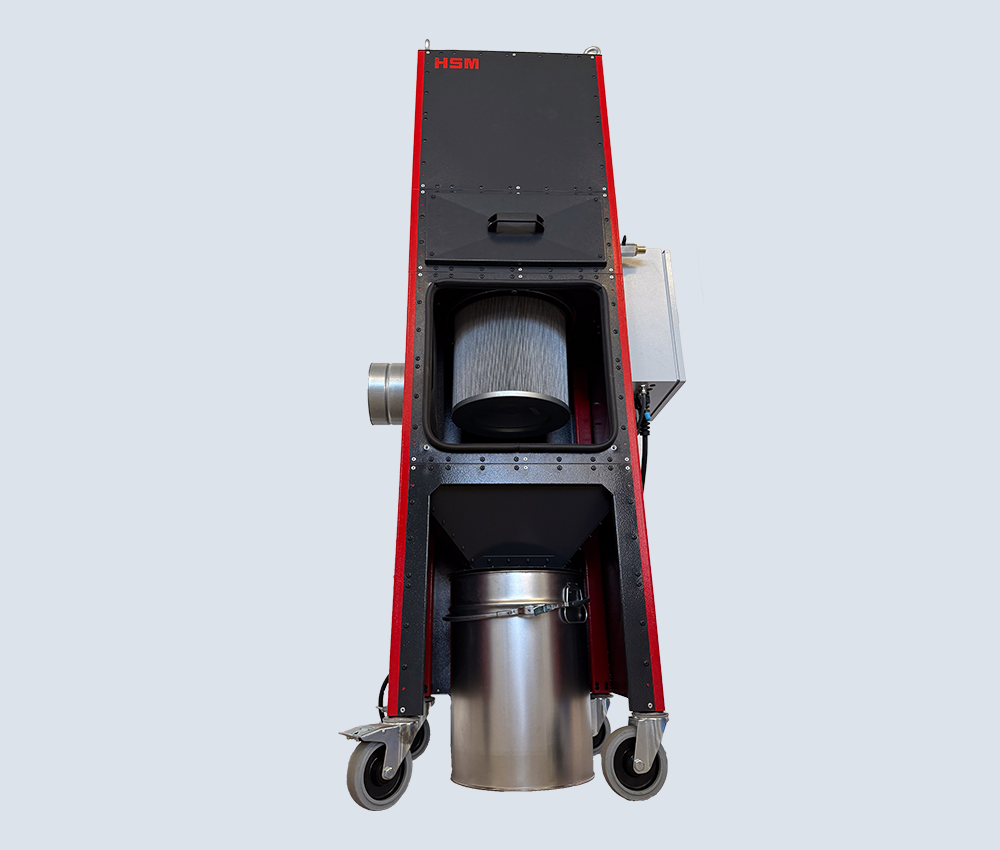
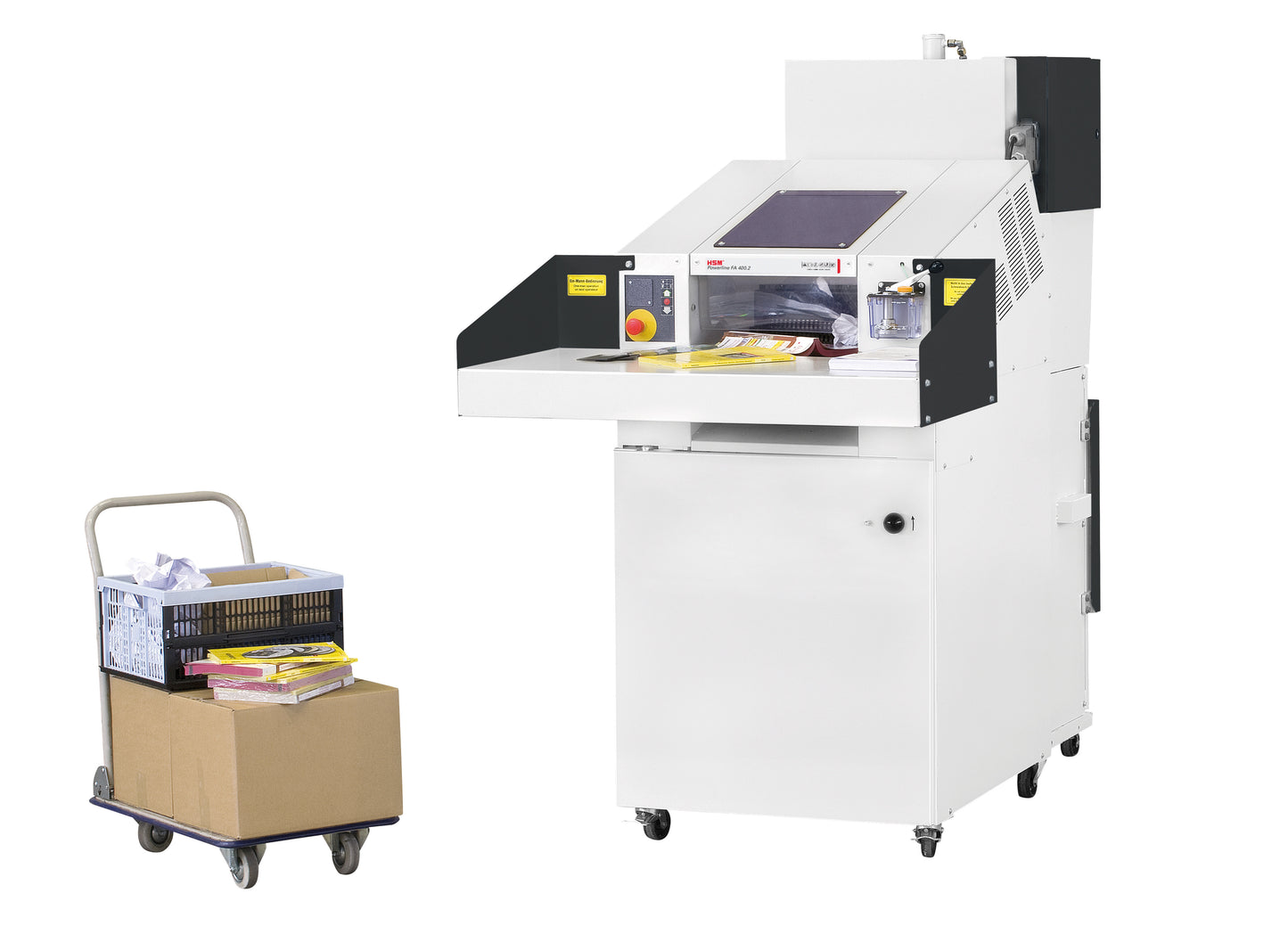
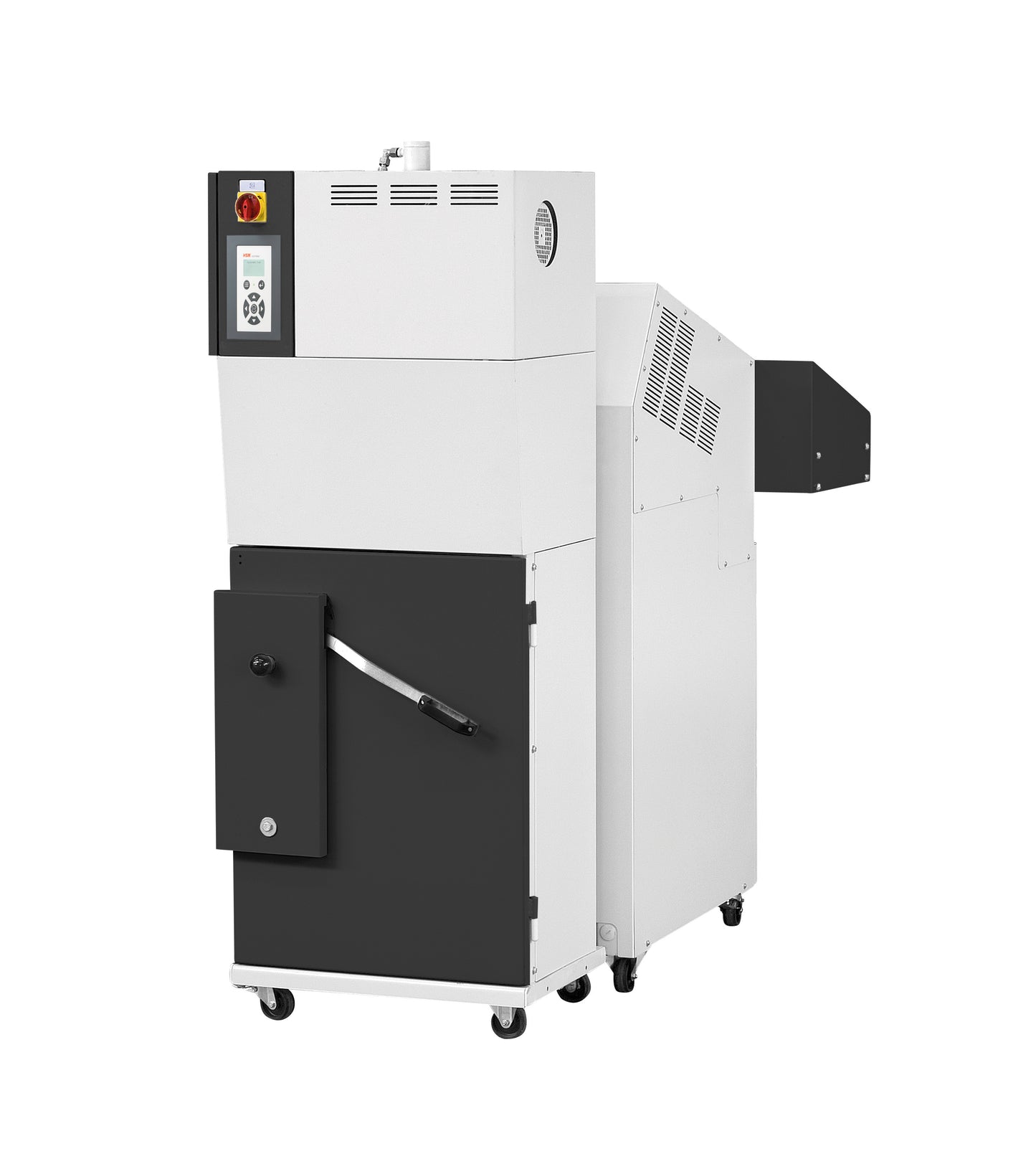
The HSM Powerline SP 4040 V - 1/4 x 2 delivers robust performance for organizations seeking reliable, high-volume shredding and baling. Engineered for efficiency, this shredder-baler combination is designed to handle a wide range of materials, including paper, staples, paper clips, credit cards, CD/DVDs, crumpled paper, floppy disks, and computer listings. Its advanced particle cut mechanism ensures thorough destruction, meeting stringent security levels such as E-2, O-2, P-3, and T-3 under DIN 66399. With a generous intake width of 16.85 inches and the ability to process up to 96 sheets of 80g paper at once, this machine is built for demanding environments. The powerful 8.31 HP motor and sturdy construction support continuous operation, while the integrated baler compacts shredded material, reducing waste volume and simplifying disposal. Perfect for businesses, government offices, and institutions requiring secure and efficient document management, the HSM Powerline SP 4040 V - 1/4 x 2 is a dependable solution for safeguarding sensitive information and optimizing workflow.
Key Features
- High-Capacity Shredding - Processes up to 96 sheets of 80g paper at once for maximum productivity.
- Particle Cut Technology - Ensures thorough destruction with 1/4 x 2 inch particles for enhanced security.
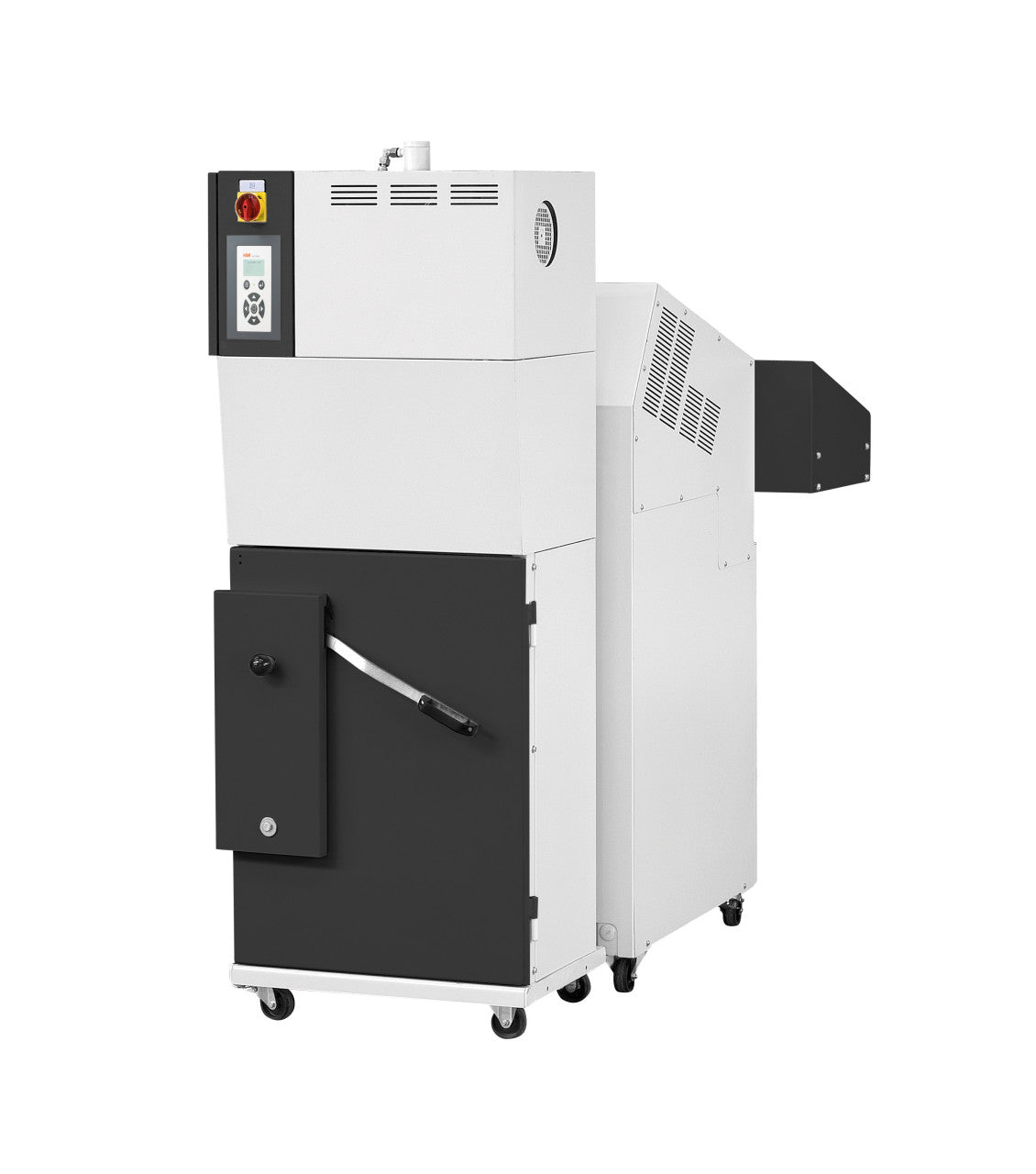
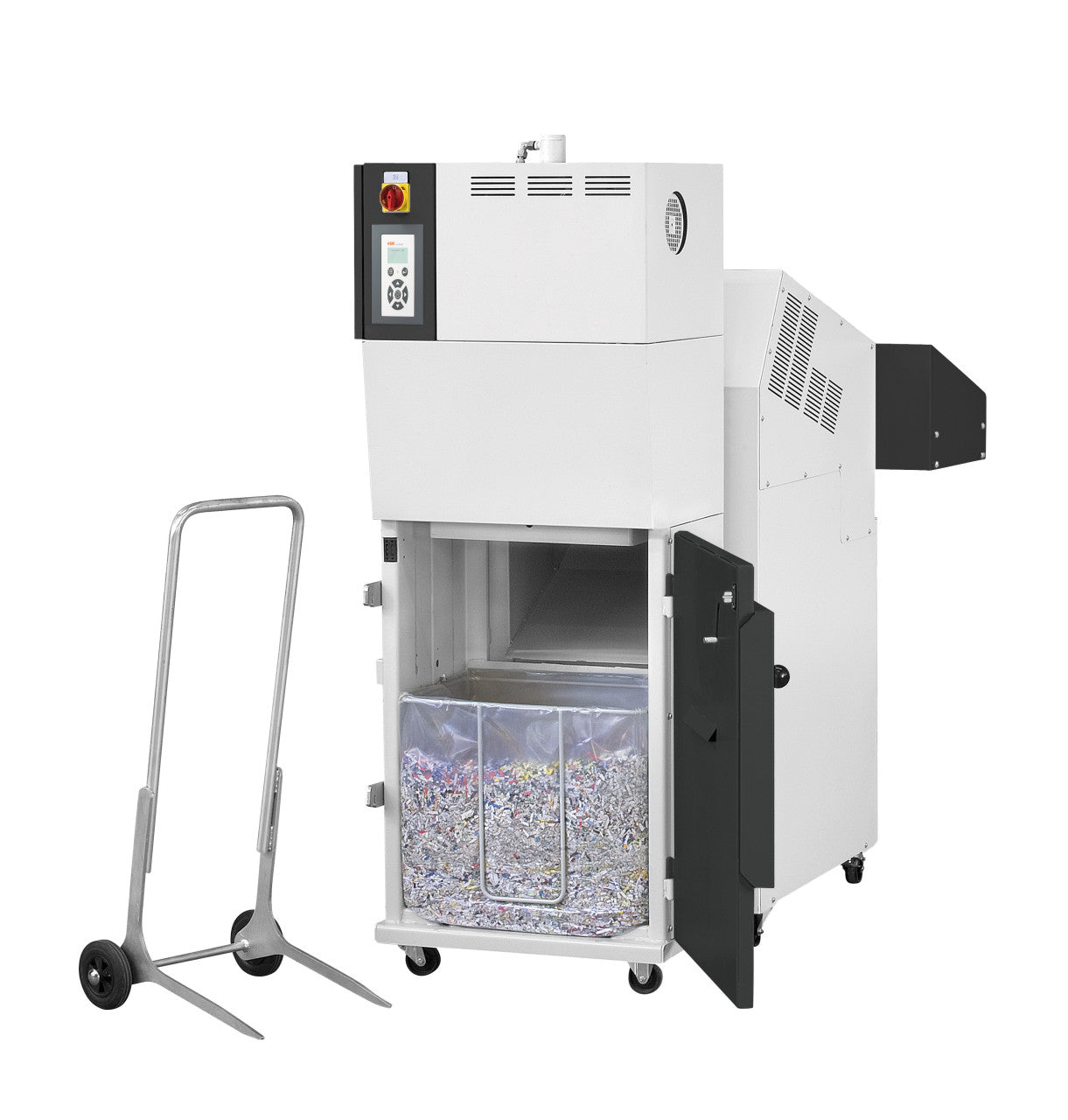
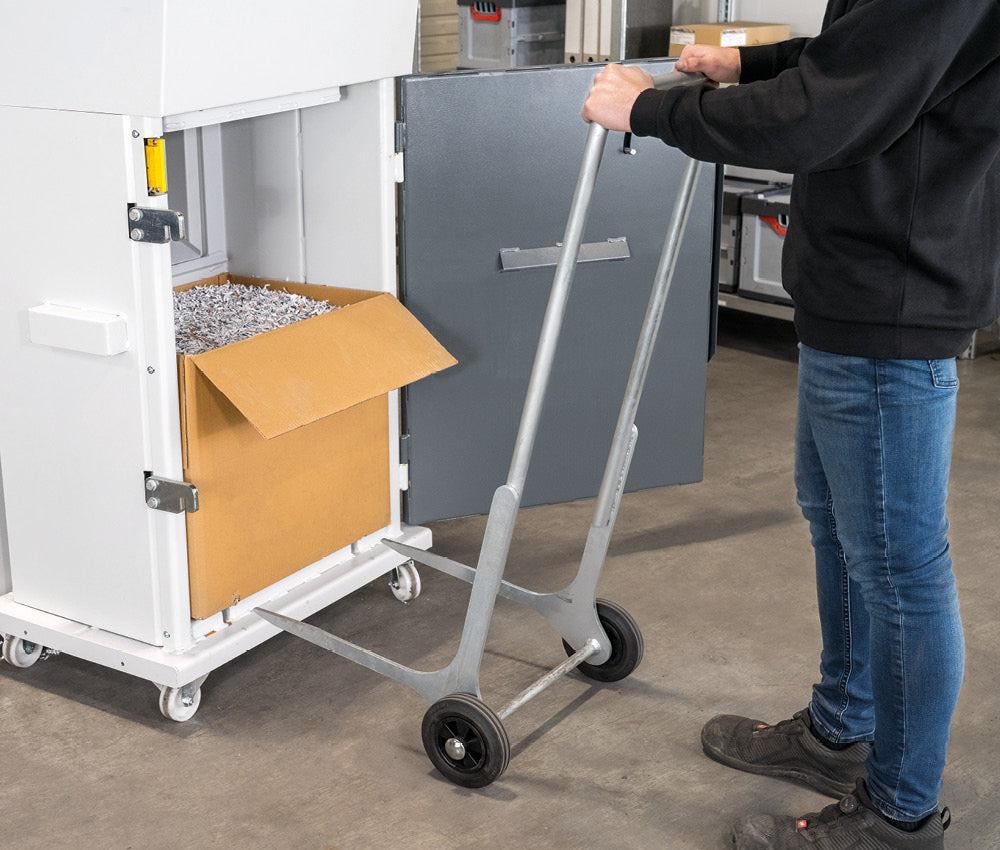
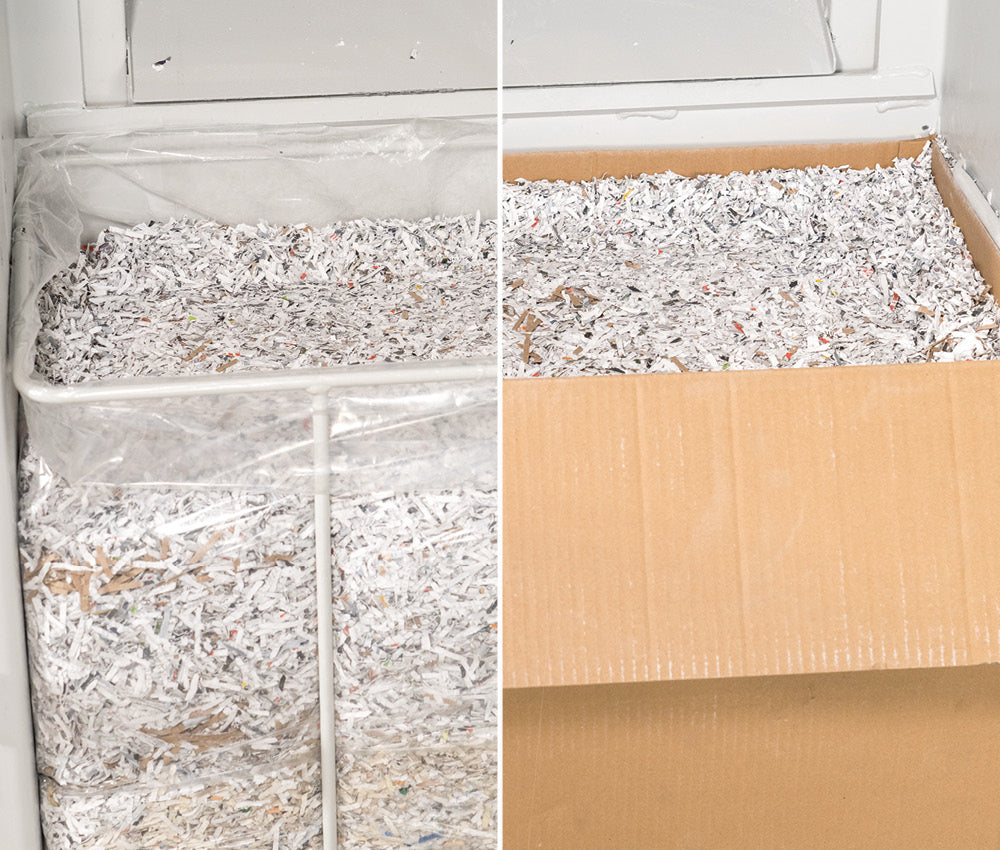
- Integrated Baler - Compacts shredded material into bales, streamlining waste management and disposal.
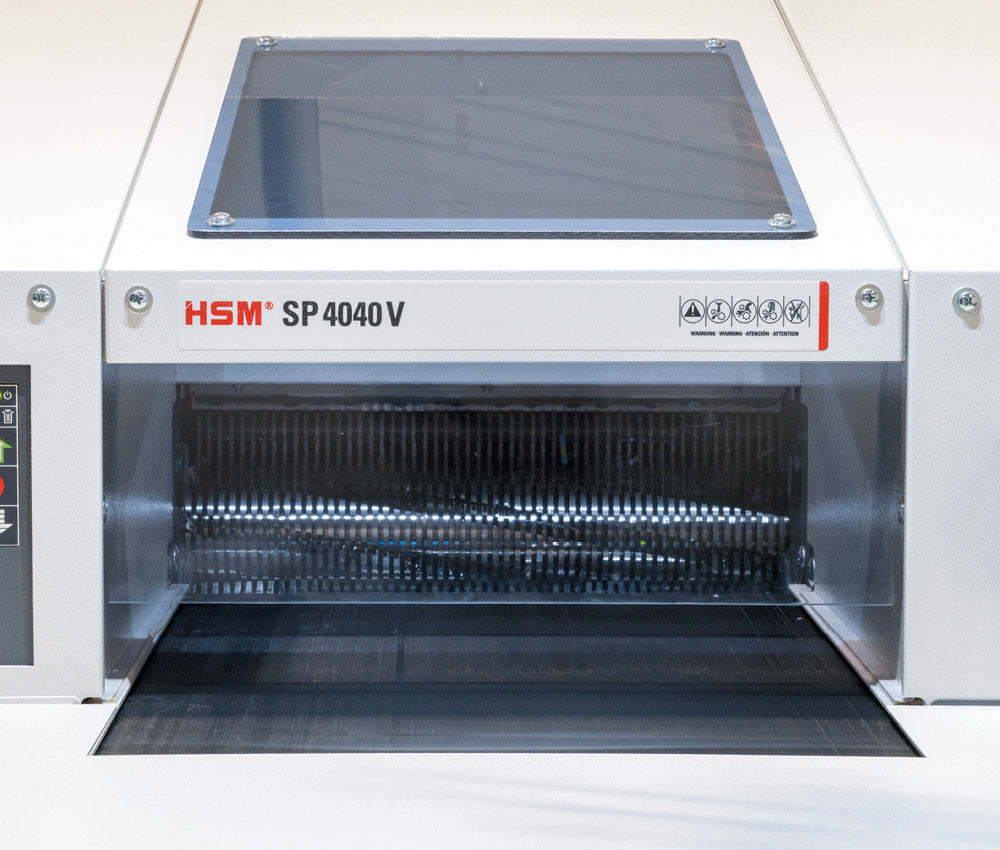
- Wide Intake Width - 16.85-inch feed accommodates large documents and computer listings.
- Multi-Material Capability - Shreds paper, staples, paper clips, credit cards, CDs/DVDs, crumpled paper, and floppy disks.
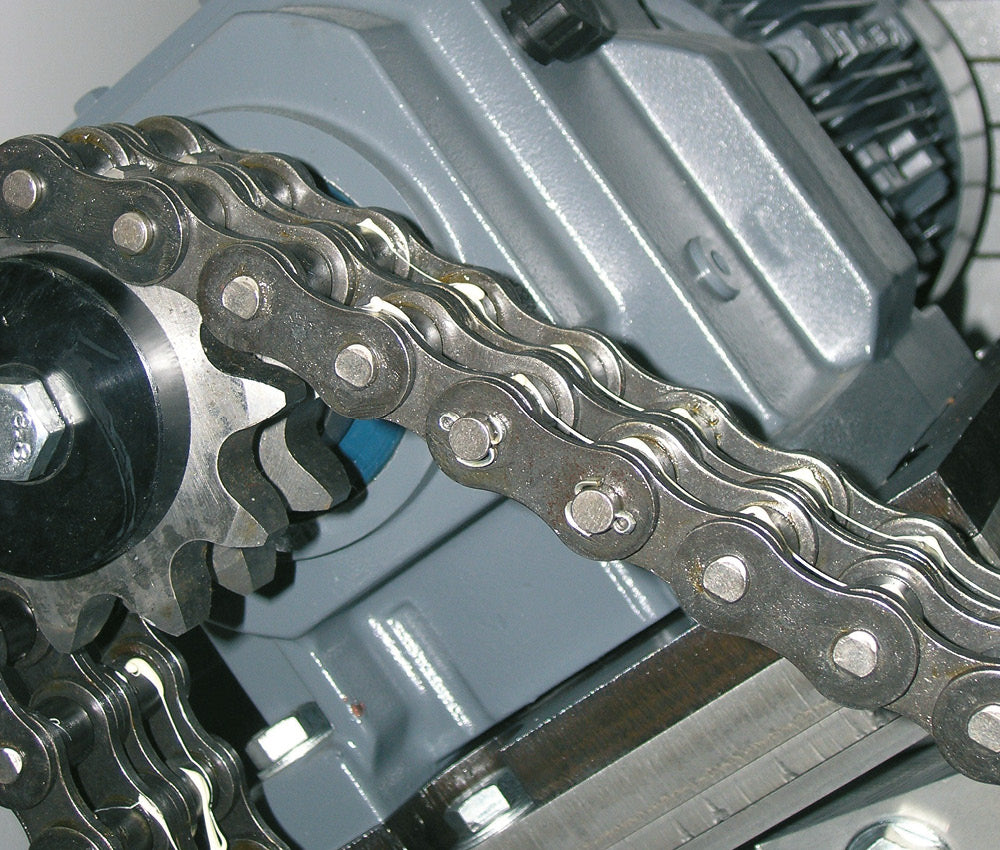
- Powerful Motor - 8.31 HP engine supports continuous, heavy-duty operation in demanding environments.
- Advanced Security Levels - Meets E-2, O-2, P-3, and T-3 standards for secure document destruction.
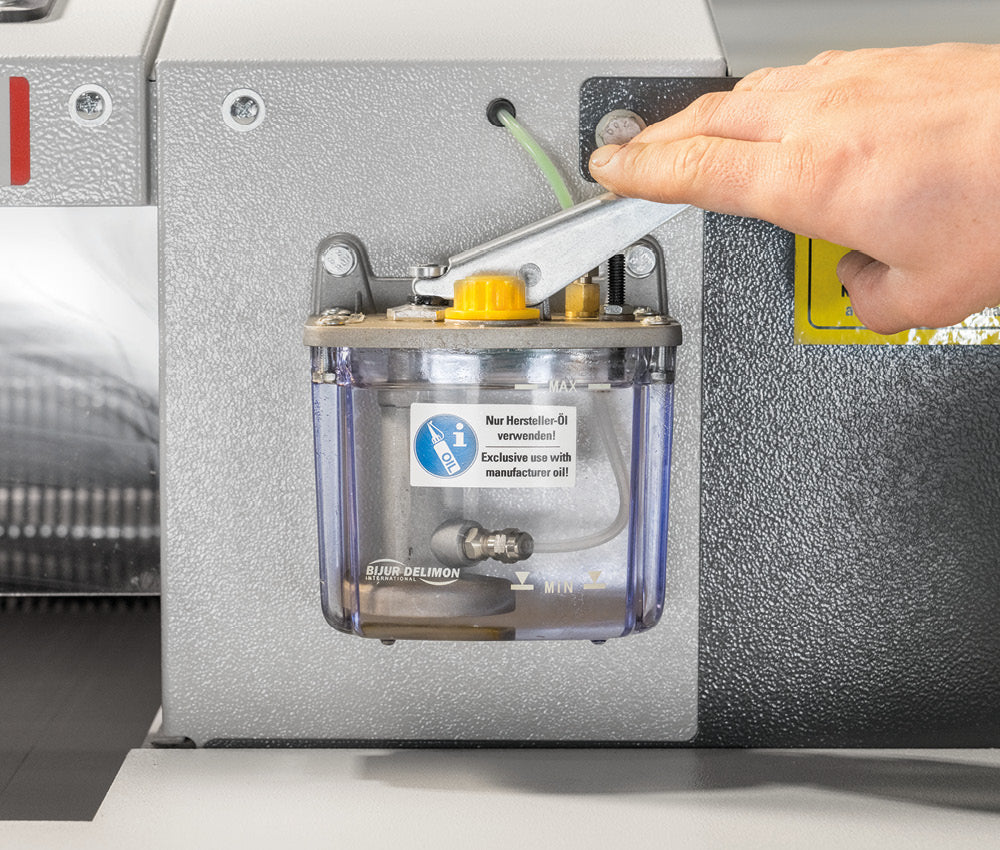
- Manual Oiler Compatibility - Designed for use with manual oilers to maintain peak performance.
- Durable Construction - Built with robust materials for long-lasting reliability and consistent operation.
- Large Dimensions - Spacious design (43.98 x 85.63 x 77.99 in) accommodates high-volume workflows.
- Heavy-Duty Weight - Weighs 1624.8 lbs, ensuring stability during intensive use.
- 2514111147
- 4040c
- HSM3514
Product Specification
Product Specification
Machine Type
Shredder + Baler Combination
Shredder Series
Powerline
Cut Type
particle cut
Shreddable Materials
Paper, Staples and paper clips, Credit card, CD/DVD, Crumpled paper, Floppy disk, Computer listings
Cut Size
1/4 x 2 in
Throat Width
16.85 in
Power Consumption
8.31 HP
Voltage
208 V / 60 Hz
Weight
1624.8 lb
EAN
4.02663E+12
Security Level
E-2|O-2|P-3|T-3
Sheet Capacity
96
Dimensions (WxDxH)
43.98 x 85.63 x 77.99 in
Product Resources
Product Resources