HSM
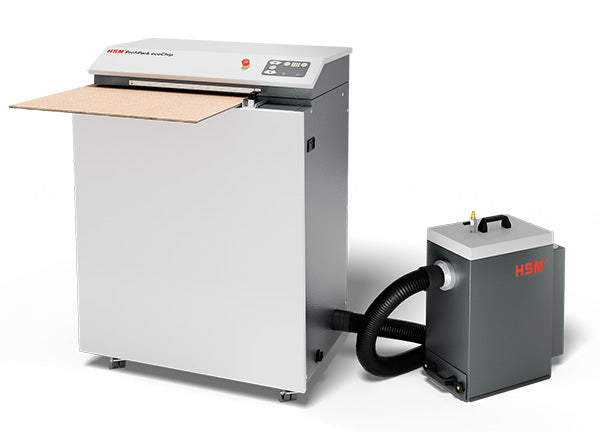
HSM ProfiPack ecoChip Cardboard Chipper
HSM ProfiPack ecoChip Cardboard Chipper
Product listing details
- Vendor
- HSM
- Product type
- Packaging padding machine
- Condition
- New
- SKU
- 1531957
- GTIN
- 4026631078443
- Price
- $6,299.00 USD
- Currency
- USD
- Availability
- In stock
- Shipping policy
- Click to view policy
- Refund policy
- Click to view policy
- Return policy
- Click to view policy
🚚 Free Shipping Across the USA
Couldn't load pickup availability
Description
Description
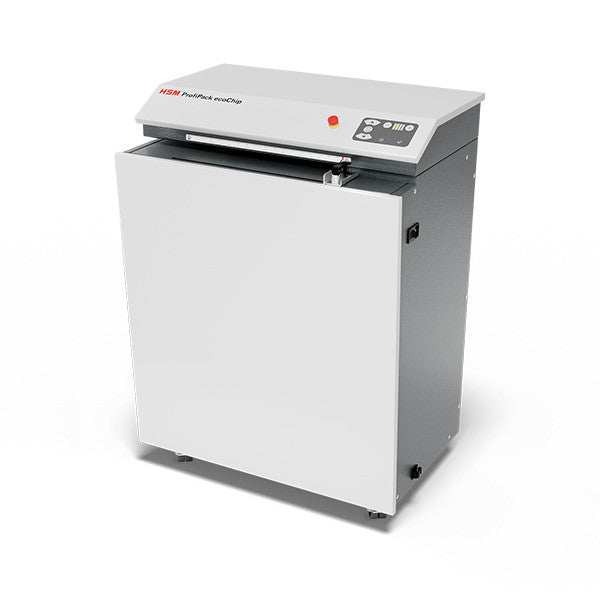
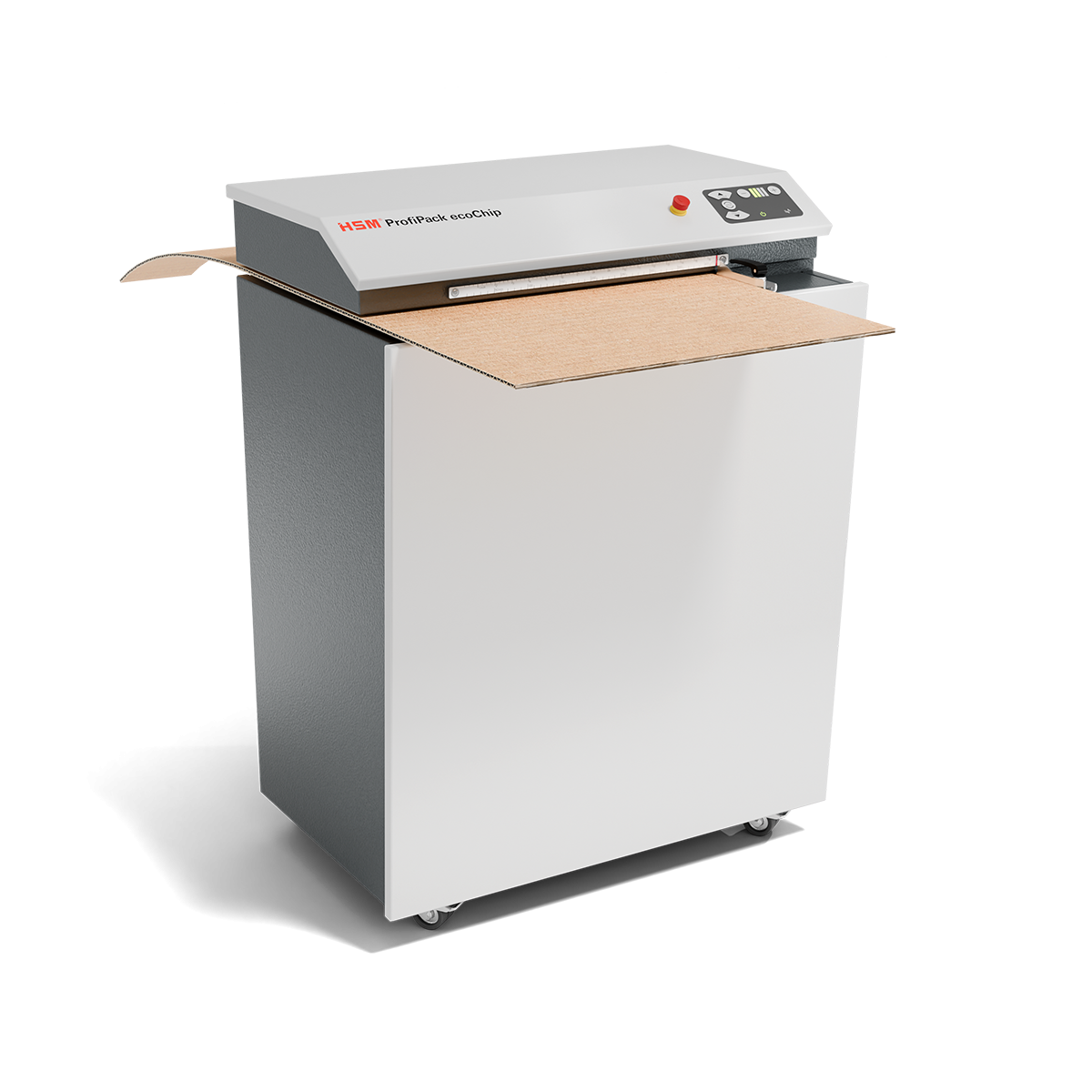
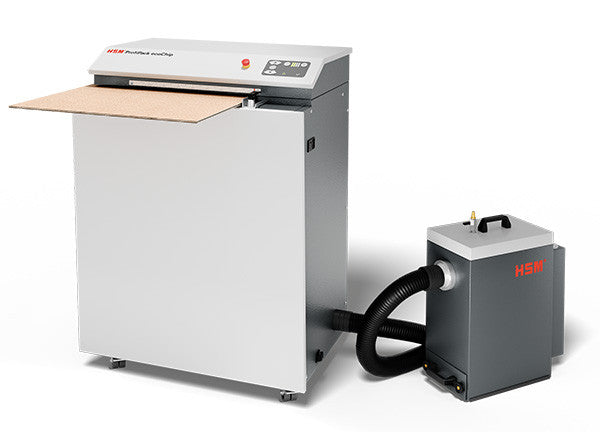
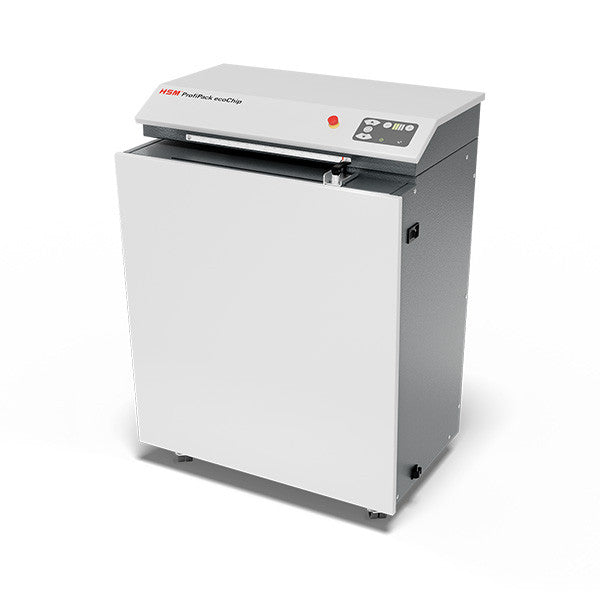
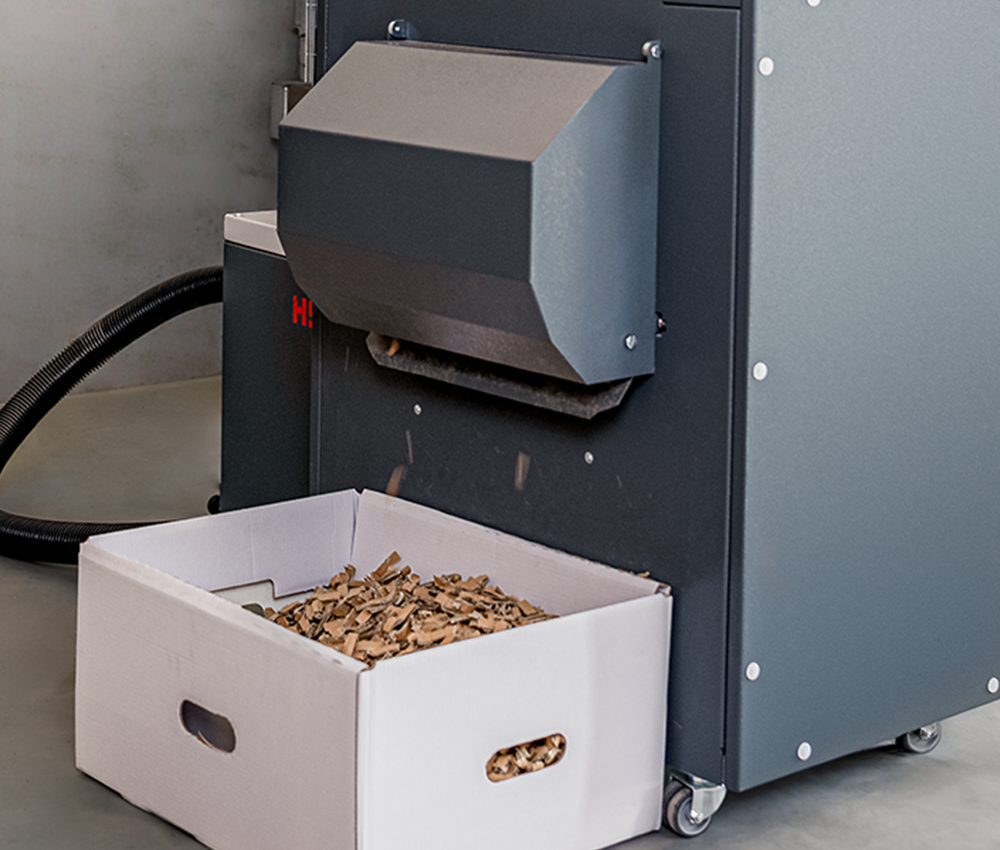
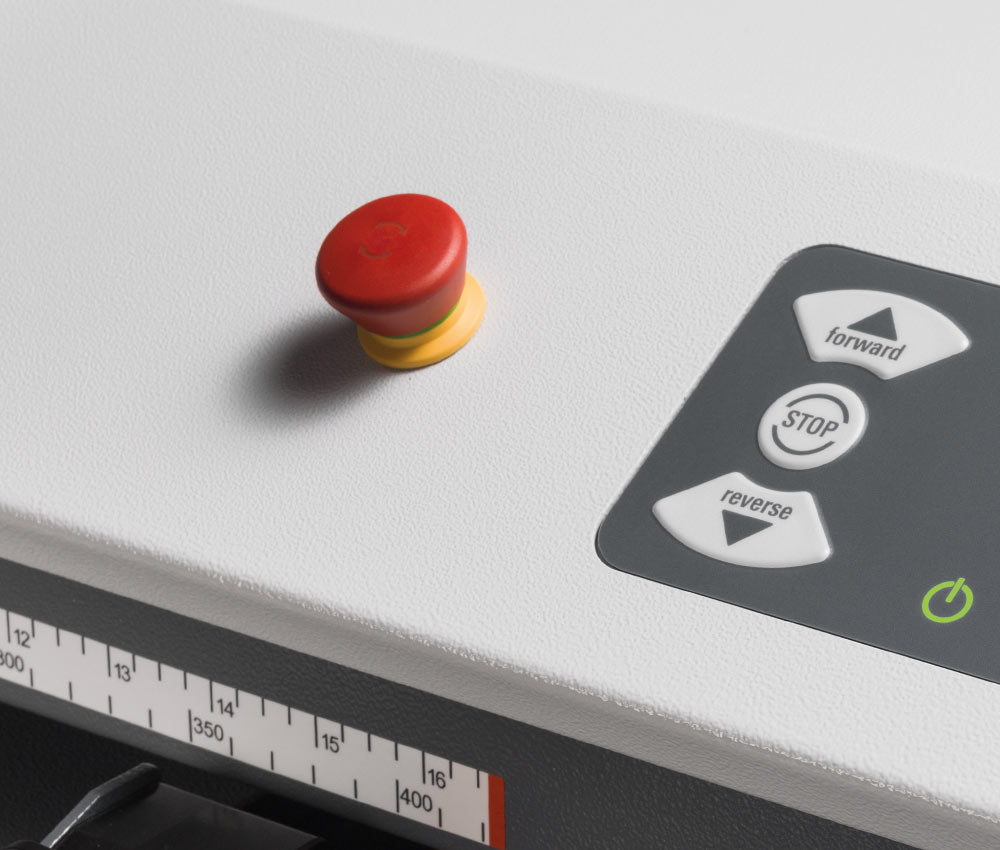
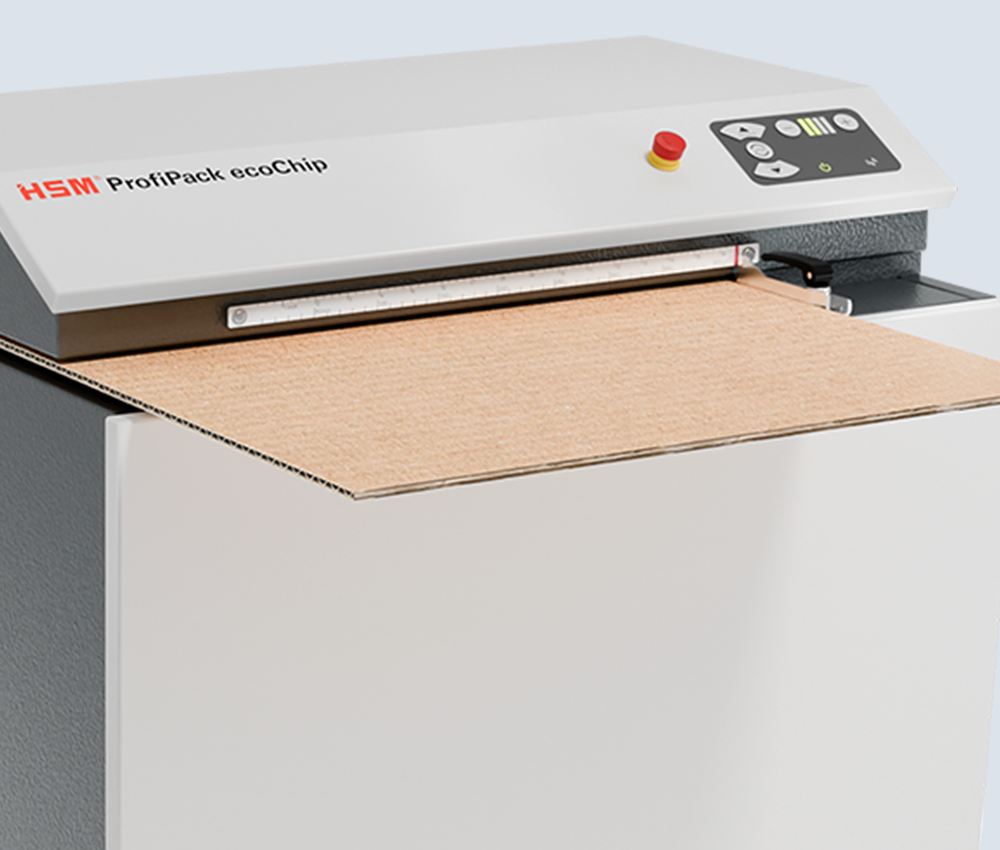
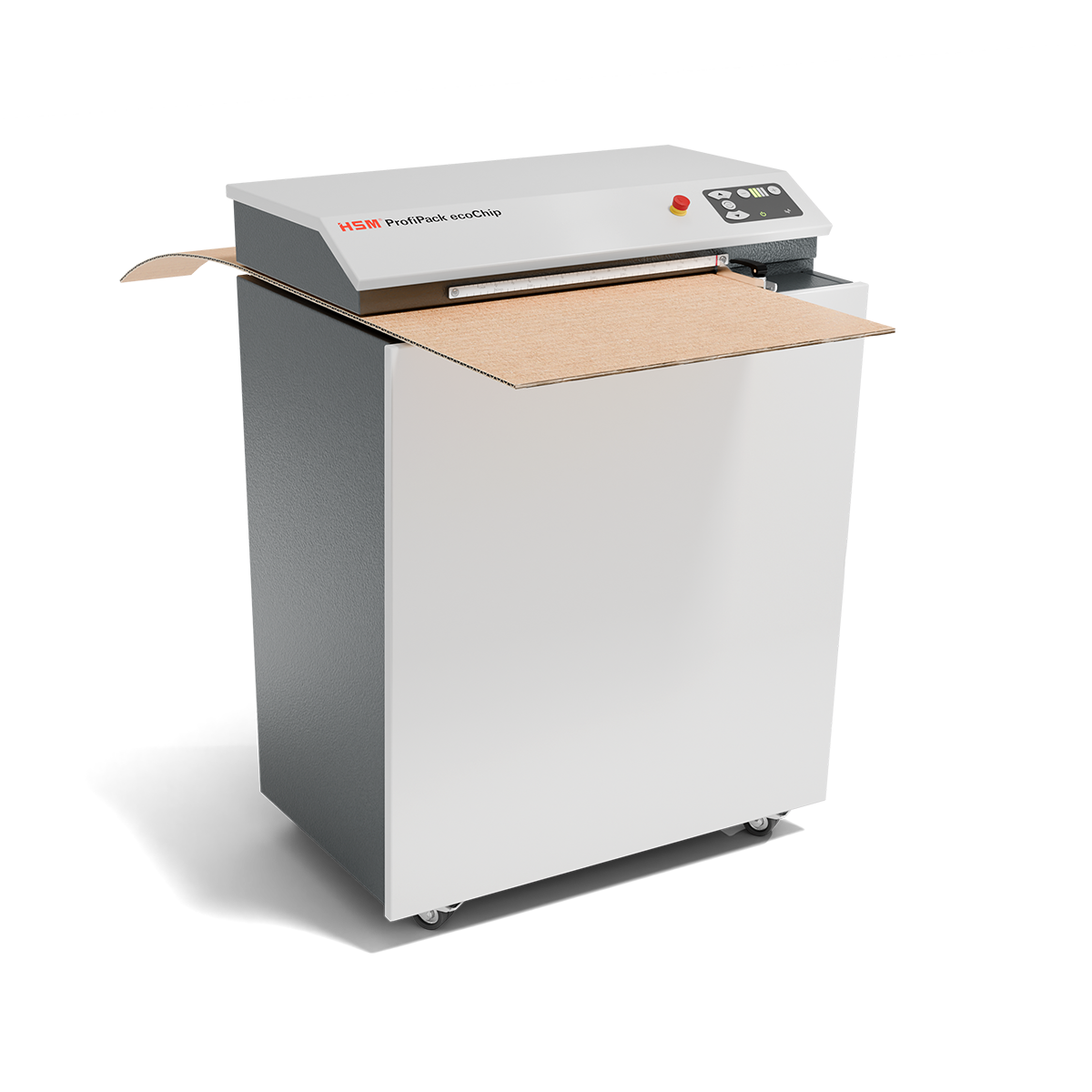
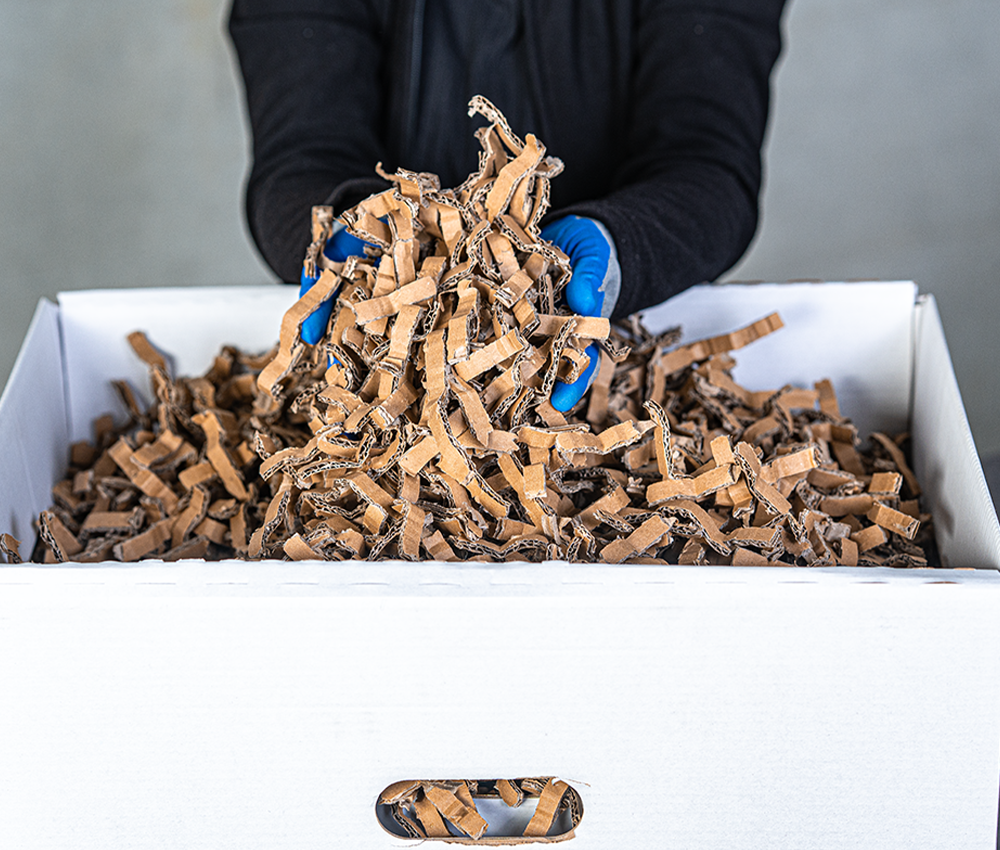
Experience the power and efficiency of the HSM ProfiPack ecoChip, designed to revolutionize your packaging process. This advanced cardboard chipper allows you to convert used cardboard into practical, eco-friendly packing material, helping your business reduce waste and save costs. With an impressive intake width of 16.73 inches and a robust power consumption of 1870 W, this machine is built for demanding environments. The included adapter set enables seamless integration with your vacuum cleaner, ensuring a cleaner, dust-free workspace. Operating at a noise level of just 67 dB(A), it maintains a comfortable atmosphere while delivering professional results. The cutting size can be adjusted between 10.5 _ 40-55 mm and 10.5 _ 40-200 mm, providing flexibility for various packaging needs. Engineered for reliability, the ProfiPack ecoChip is a trusted solution for businesses seeking sustainable packaging alternatives. Its sturdy construction and user-friendly design ensure long-lasting performance, making it an essential addition to any shipping or warehouse operation. Choose the HSM ProfiPack ecoChip to streamline your workflow and take a significant step toward greener, more efficient packaging.
Key Features
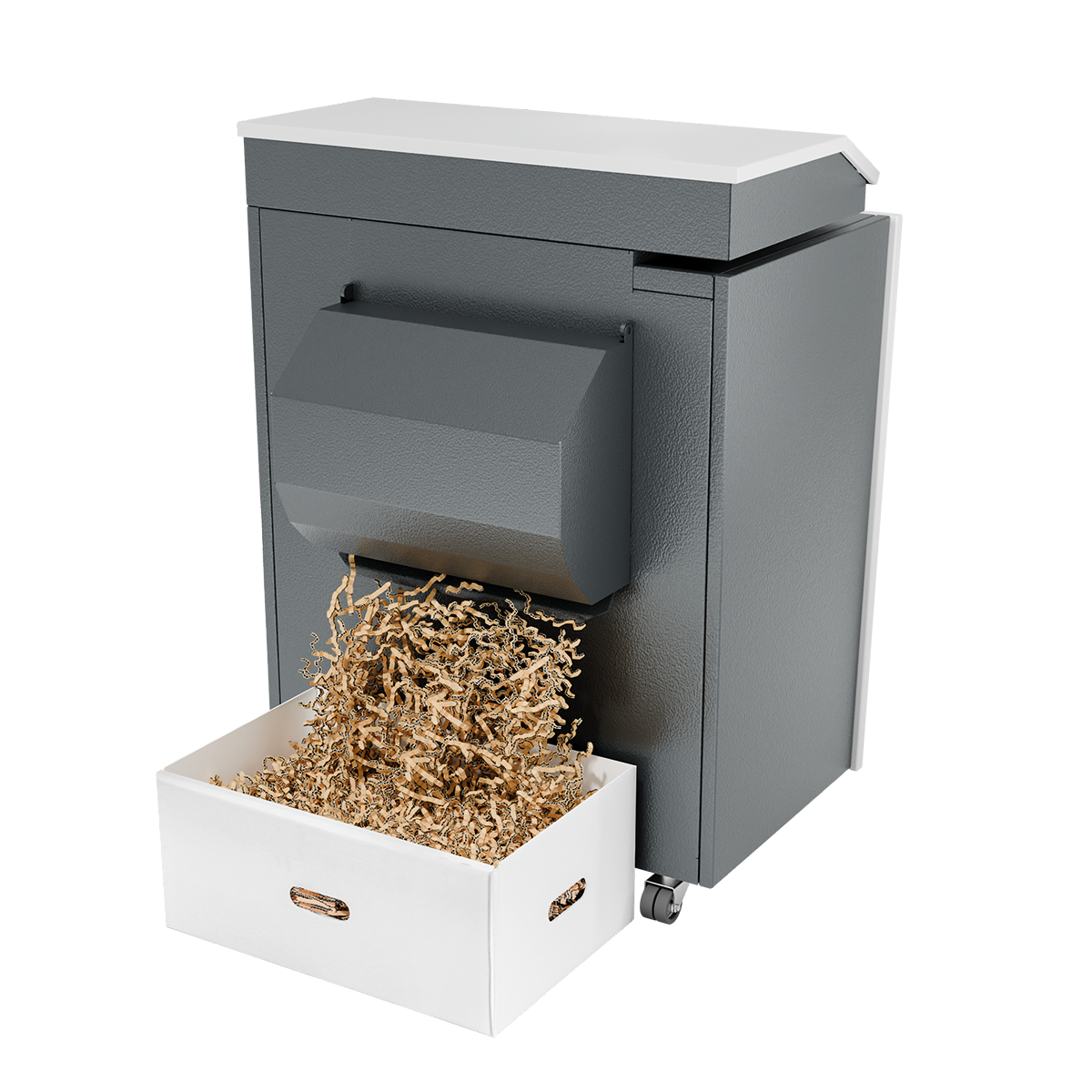
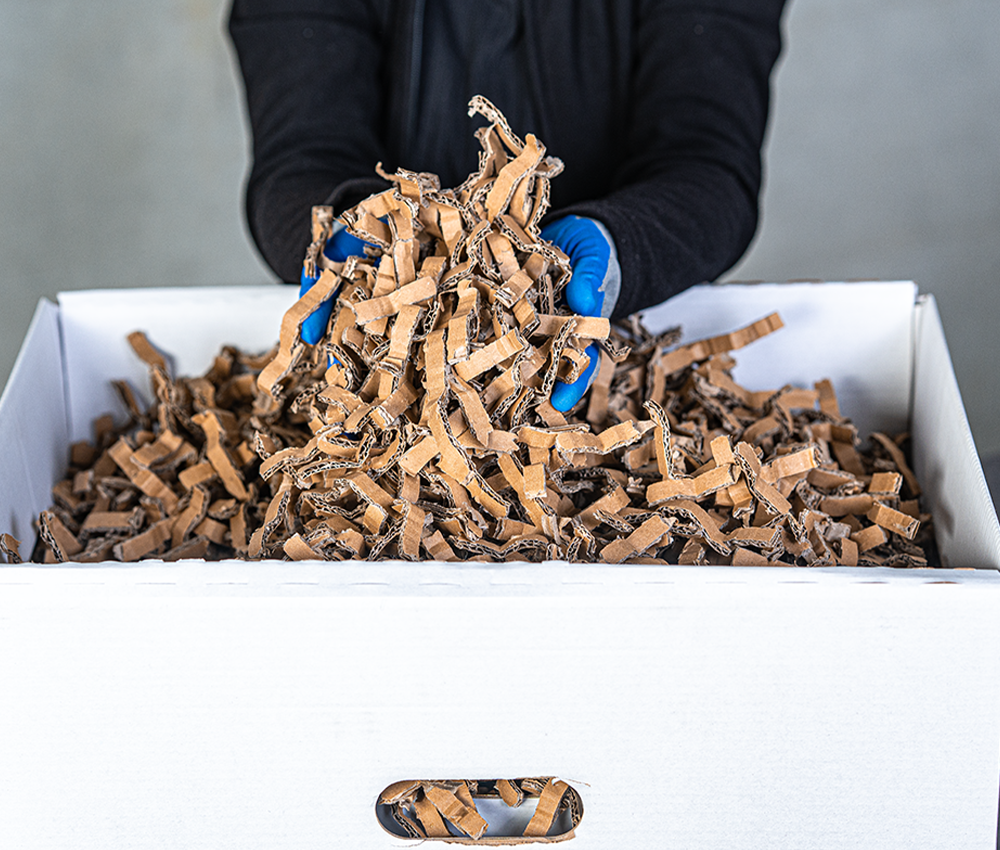
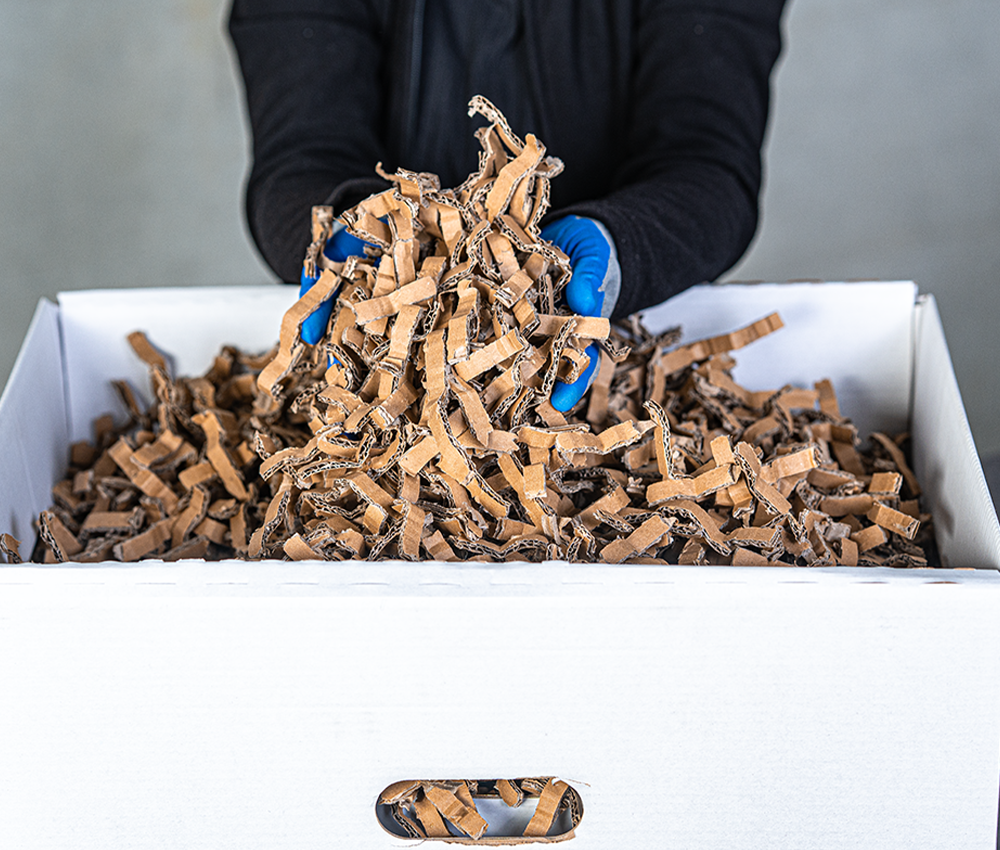
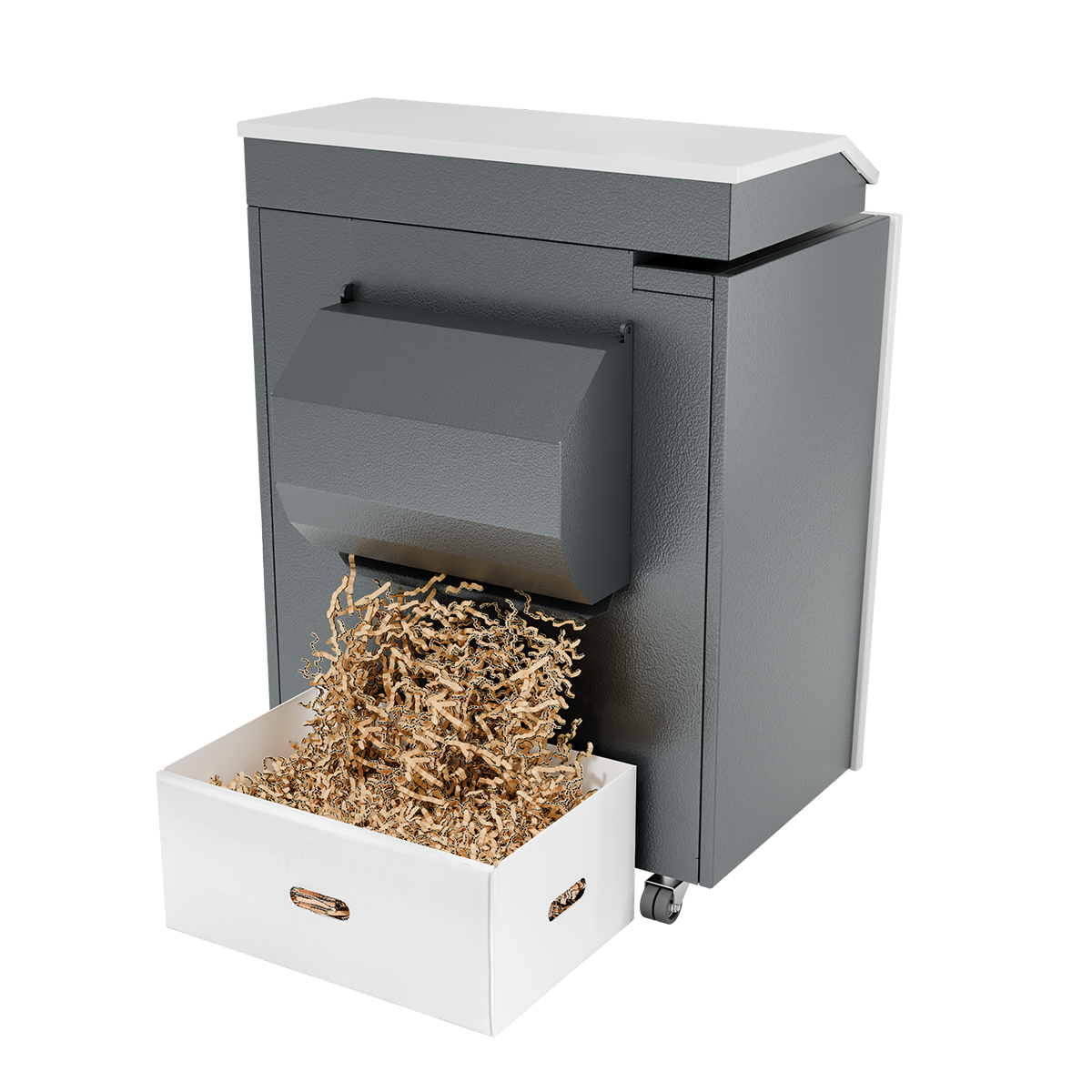
- Efficient Cardboard Chipping - Transforms used cardboard into high-quality packing material for eco-friendly shipping.
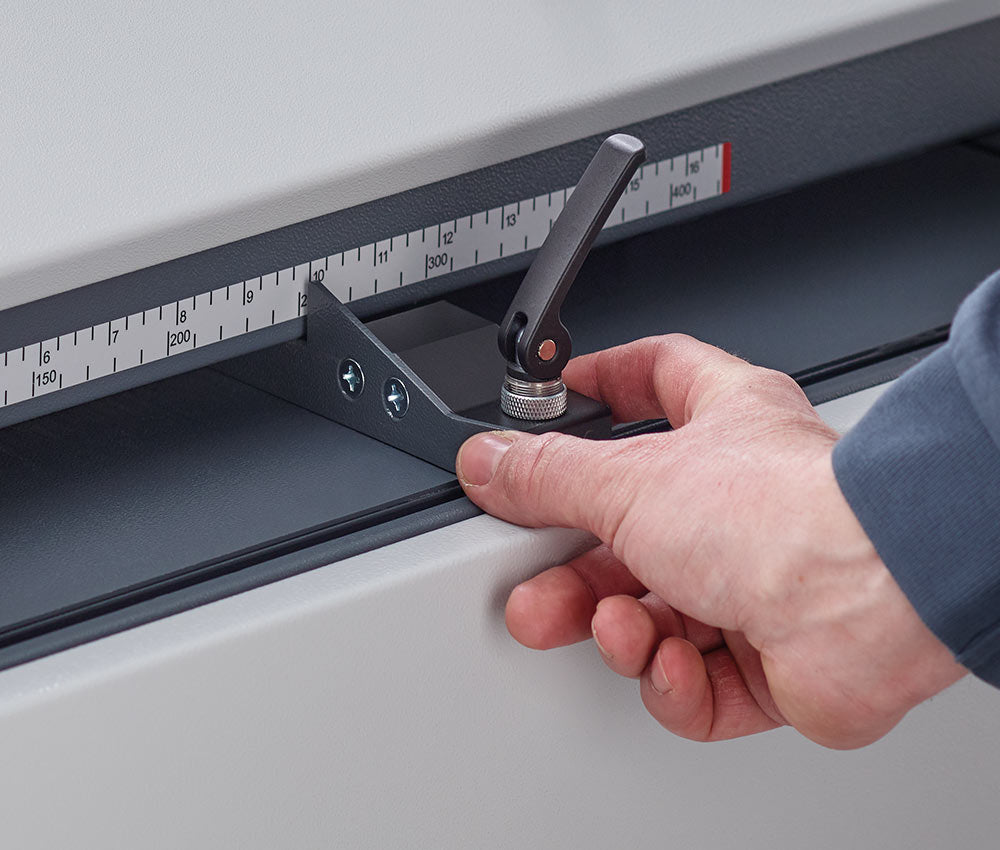
- Adjustable Cutting Size - Offers two cutting options: 10.5 _ 40-55 mm or 10.5 _ 40-200 mm for versatile packaging needs.
- Wide Intake Width - Accommodates materials up to 16.73 inches wide, increasing productivity for larger boxes.
- High Power Output - Operates with a robust 1870 W motor, ensuring fast and reliable performance.
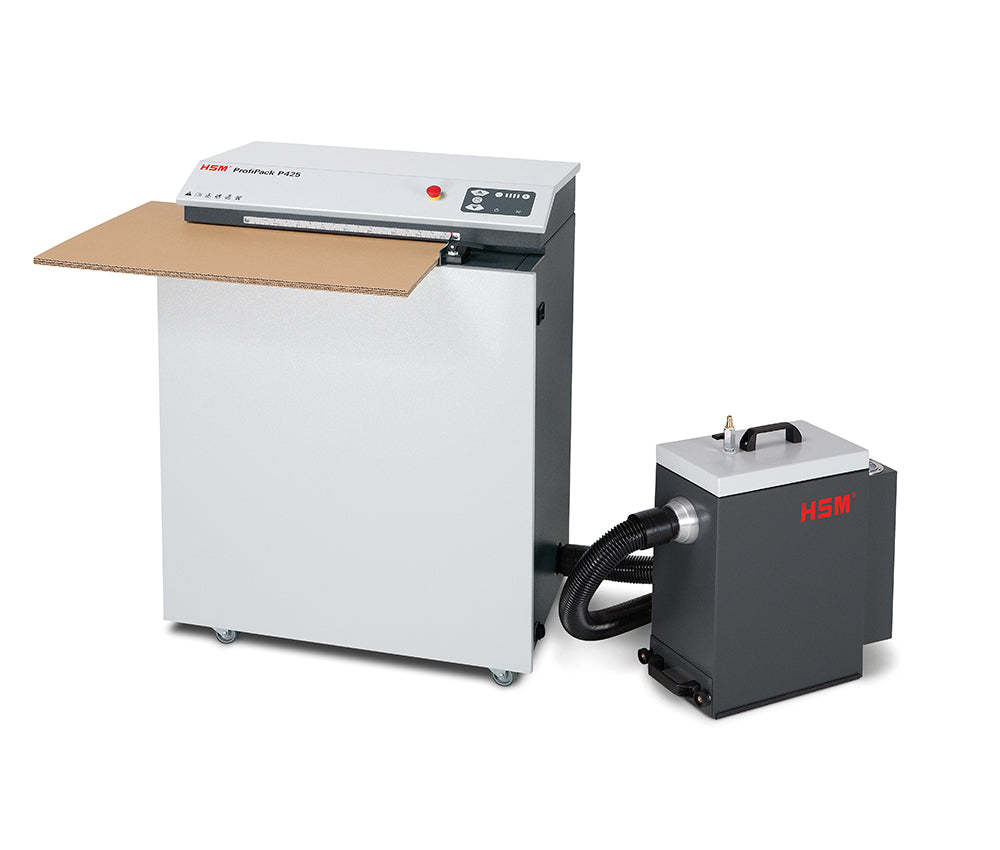
- Adapter Set Included - Comes with a specialized adapter for easy connection to vacuum cleaners, maintaining a tidy workspace.
- Low Noise Operation - Runs at approximately 67 dB(A), minimizing disruption in busy environments.
- Sturdy Construction - Built with durable materials to withstand continuous industrial use.
- Space-Saving Design - Compact dimensions (76.9 x 69.8 x 103.5 cm) fit easily into most workspaces.
- Versatile Power Compatibility - Supports 100-240 V and 50-60 Hz, suitable for various electrical setups.
- Heavy-Duty Capacity - Weighs 171.5 kg, providing stability during operation for consistent results.
- Ideal for Packaging Padding Machines - Specifically designed for use with packaging padding systems, enhancing overall efficiency.
The HSM ProfiPack ecoChip + adapter set for vacuum cleaner is an innovative solution for businesses aiming to optimize their packaging workflow while embracing sustainable practices. By converting cardboard waste into valuable packing material, it supports both environmental responsibility and operational efficiency. The powerful motor and adjustable cutting mechanism make it suitable for a wide range of packaging applications, while the included adapter ensures compatibility with vacuum cleaners for a clean, dust-free environment. Its compact yet robust build allows for easy integration into existing setups, and the quiet operation makes it ideal for busy warehouses or shipping departments. With the HSM ProfiPack ecoChip, you can efficiently manage your packing needs, reduce waste, and contribute to a greener future, all while maintaining high standards of productivity and cleanliness.
Product Specification
Product Specification
Product Resources
Product Resources