



Before you specify
Frequently Asked Questions
Why buy the 820 plus instead of the 825 plus?
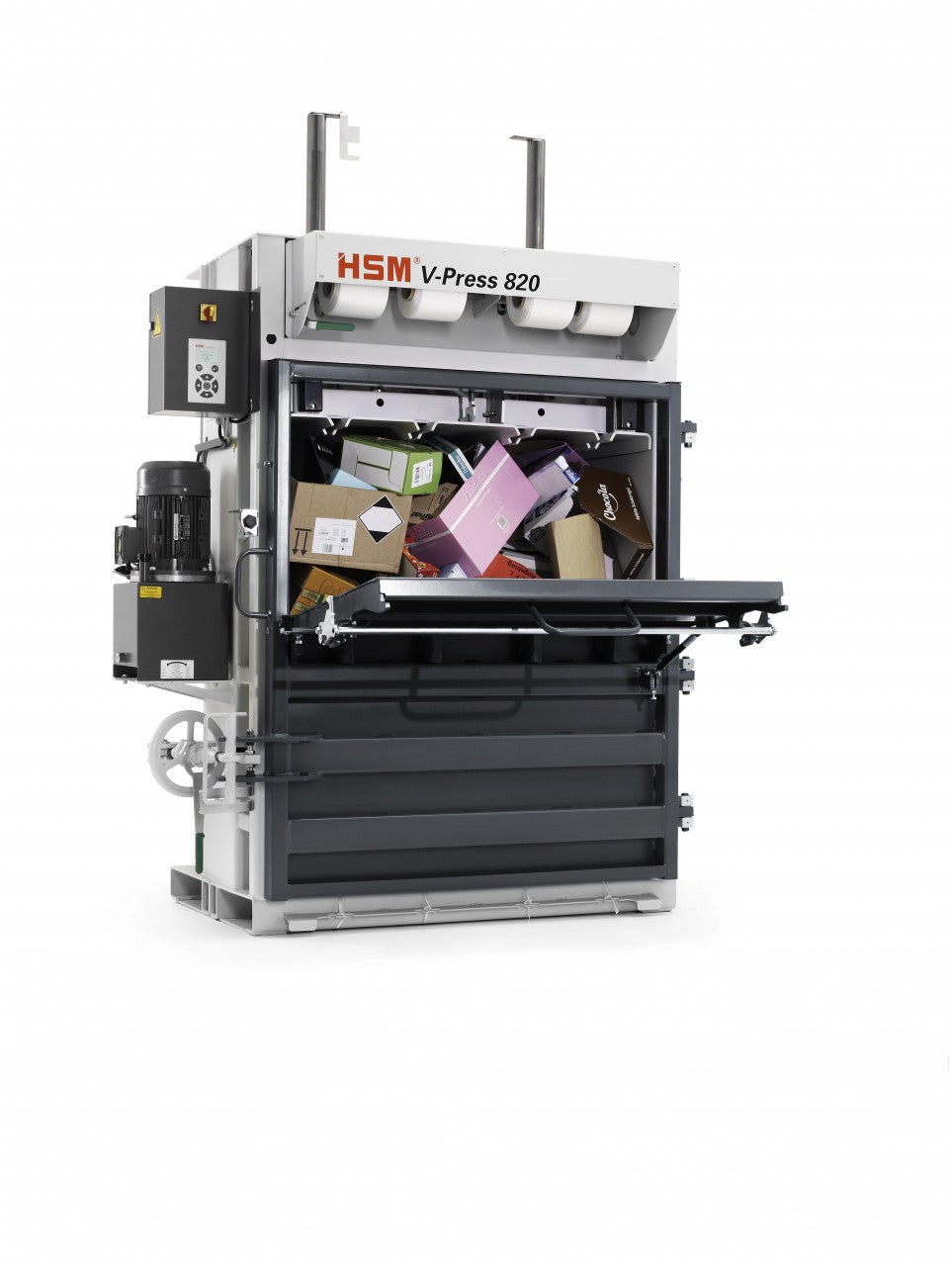
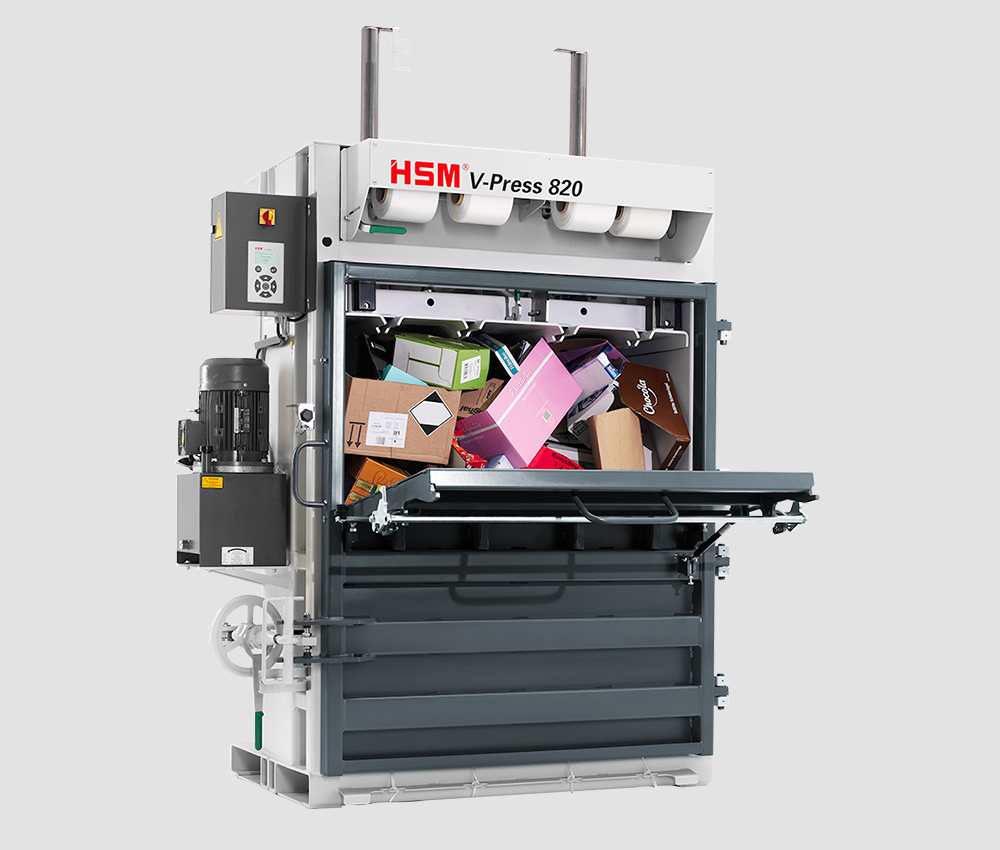
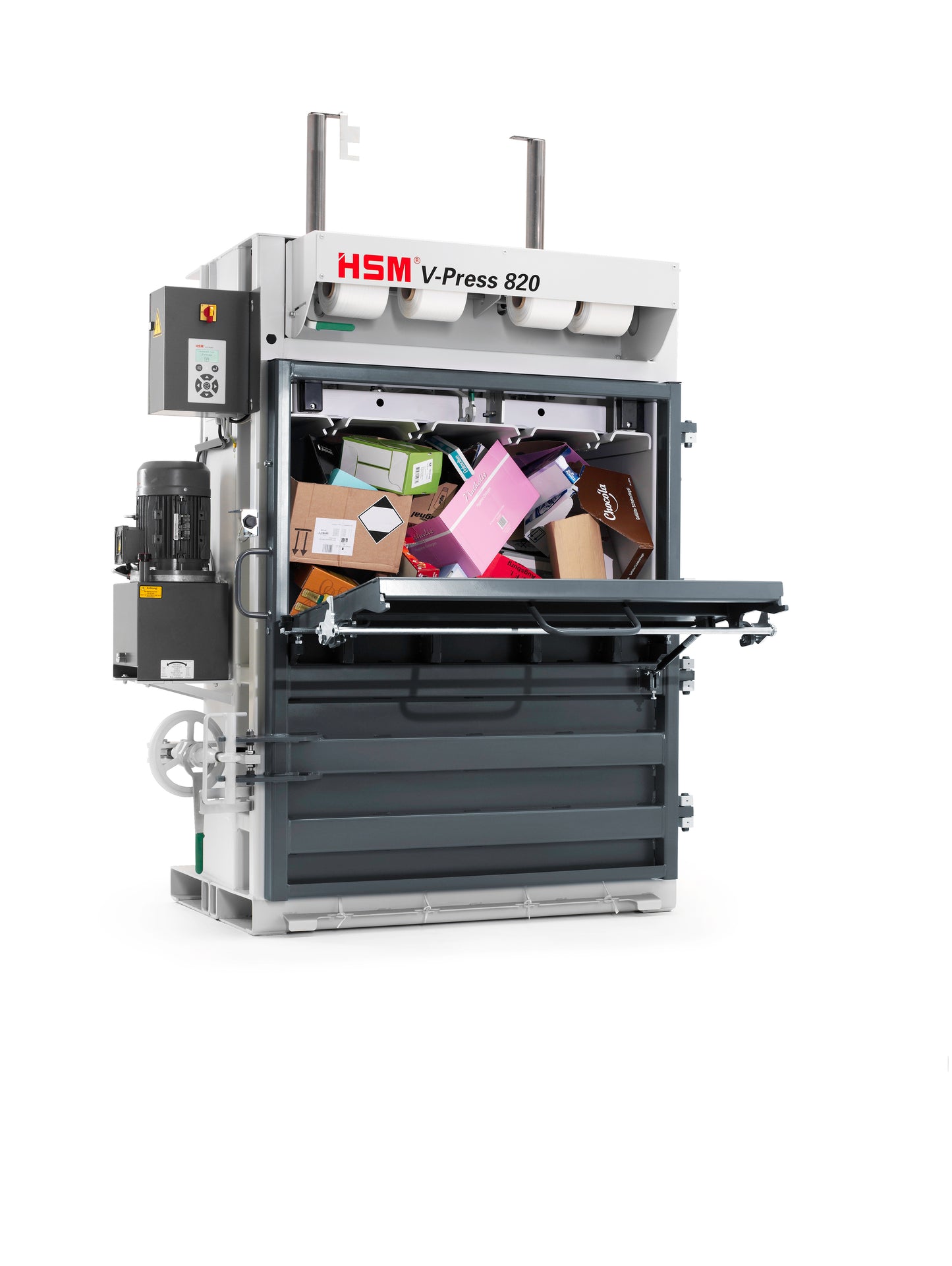
Loading. The 820's aperture is 1195 x 558 mm against the 825's 1195 x 530 mm, and its bale chamber is wider, so bulky part-flattened cartons and light awkward material go in more easily. The 825 presses harder (250 kN vs 178 kN) into a denser 280 kg bale and is a lower, lighter machine. Bulky material favours the 820; heavy material and low ceilings favour the 825.
What is punch waste, and why does it matter here?
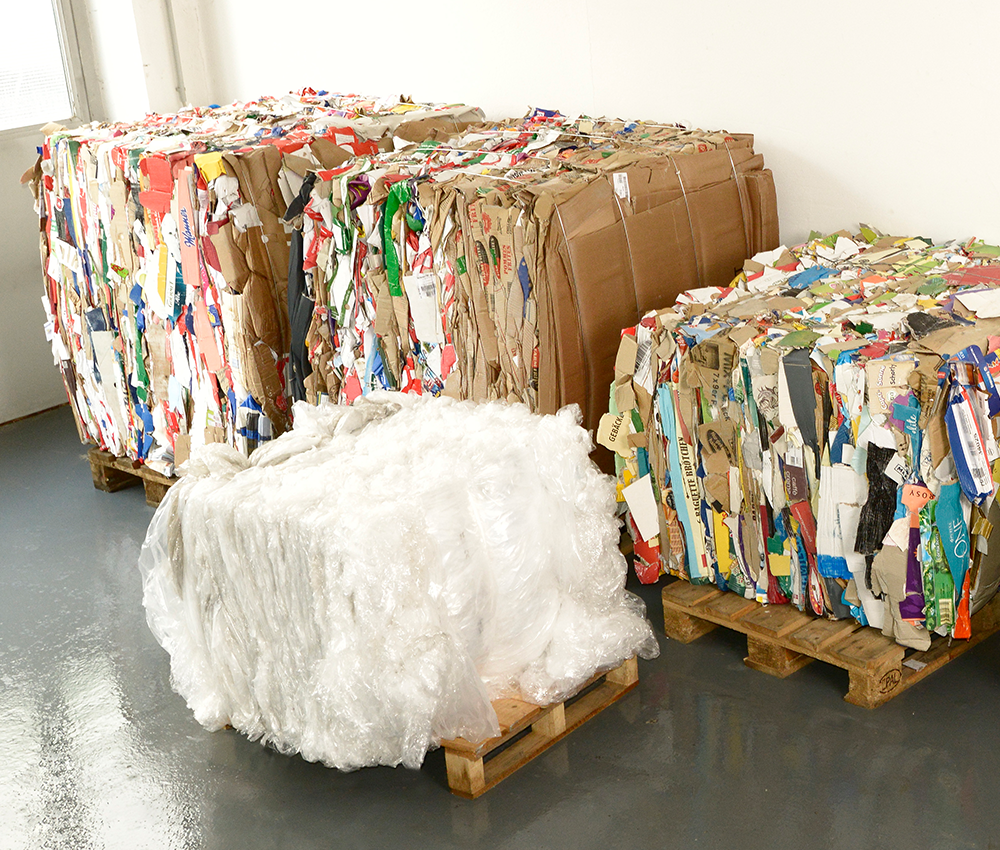
Punch waste is the offcut residue from die-cutting and converting operations: the skeleton left after shapes are stamped out of board or film. HSM lists it explicitly among the materials this press is rated for, alongside cardboard, plastic film and mixed paper. If you run converting equipment, that rating is a reason to choose the 820 plus over presses that are only specified for packaging waste.
Do I need wire strapping for this machine?
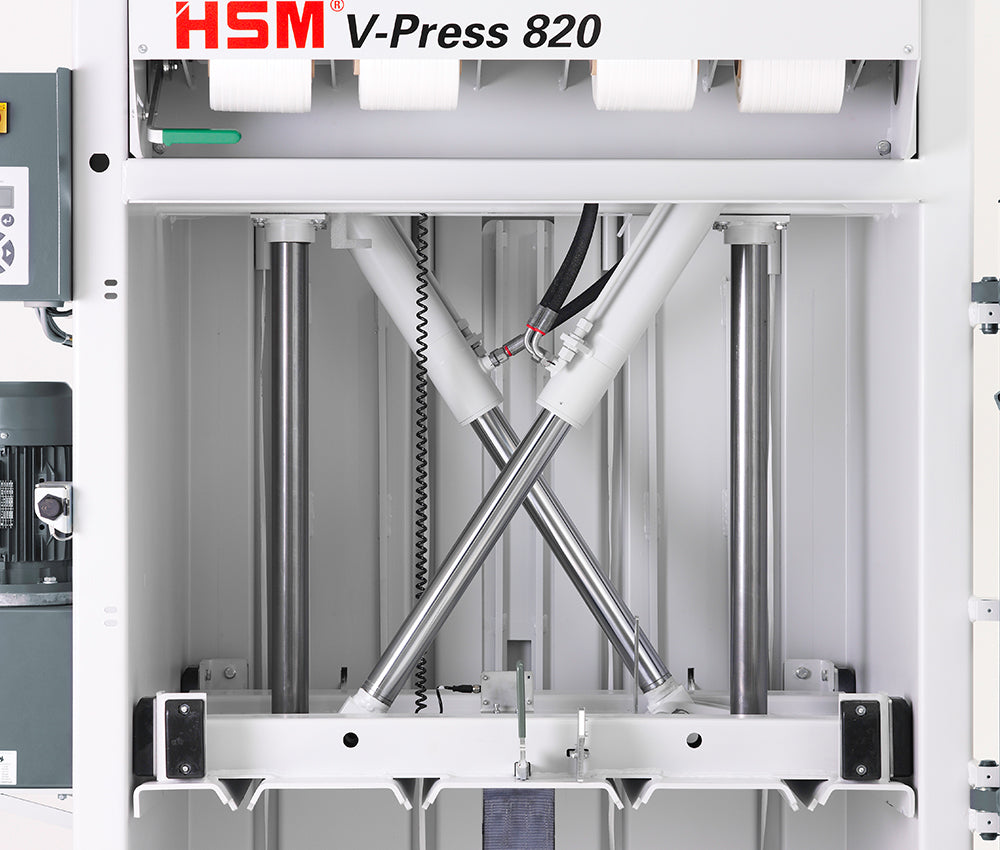
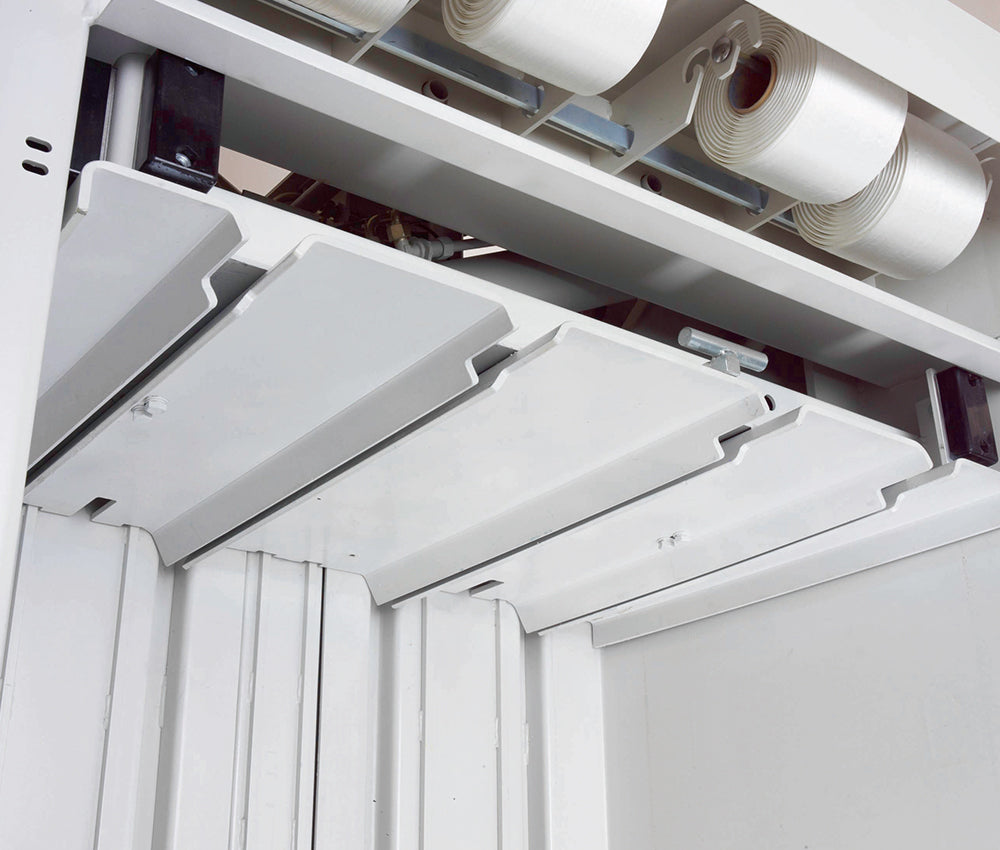
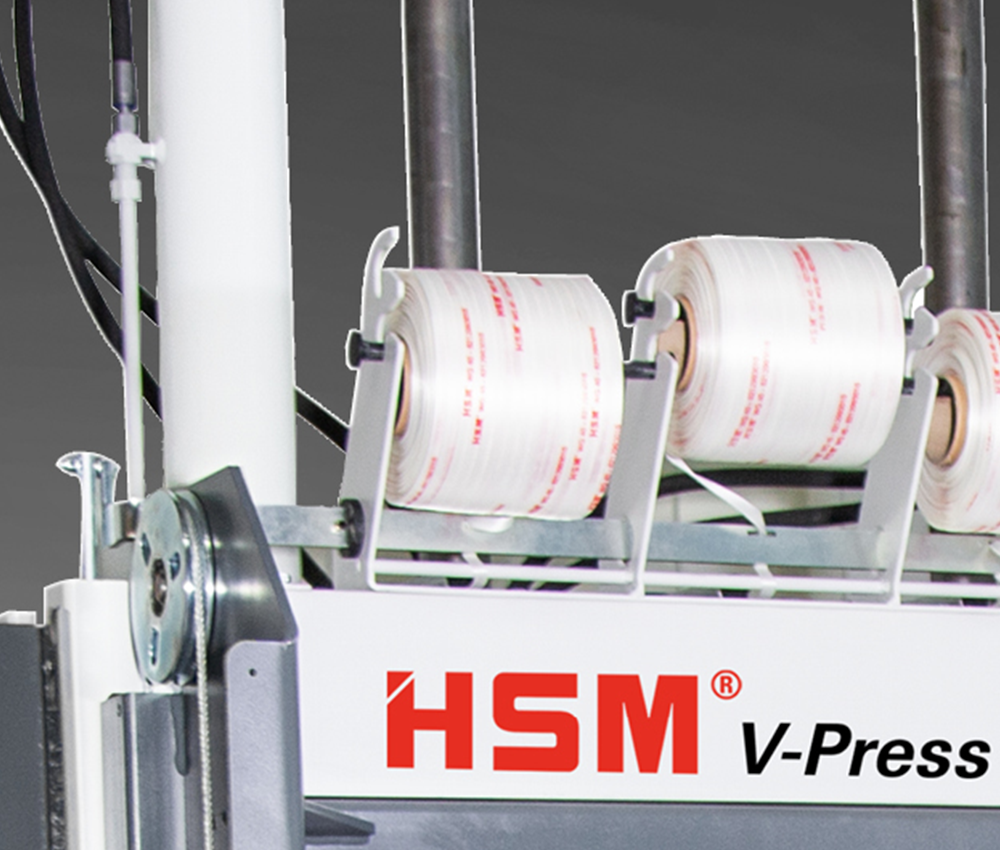
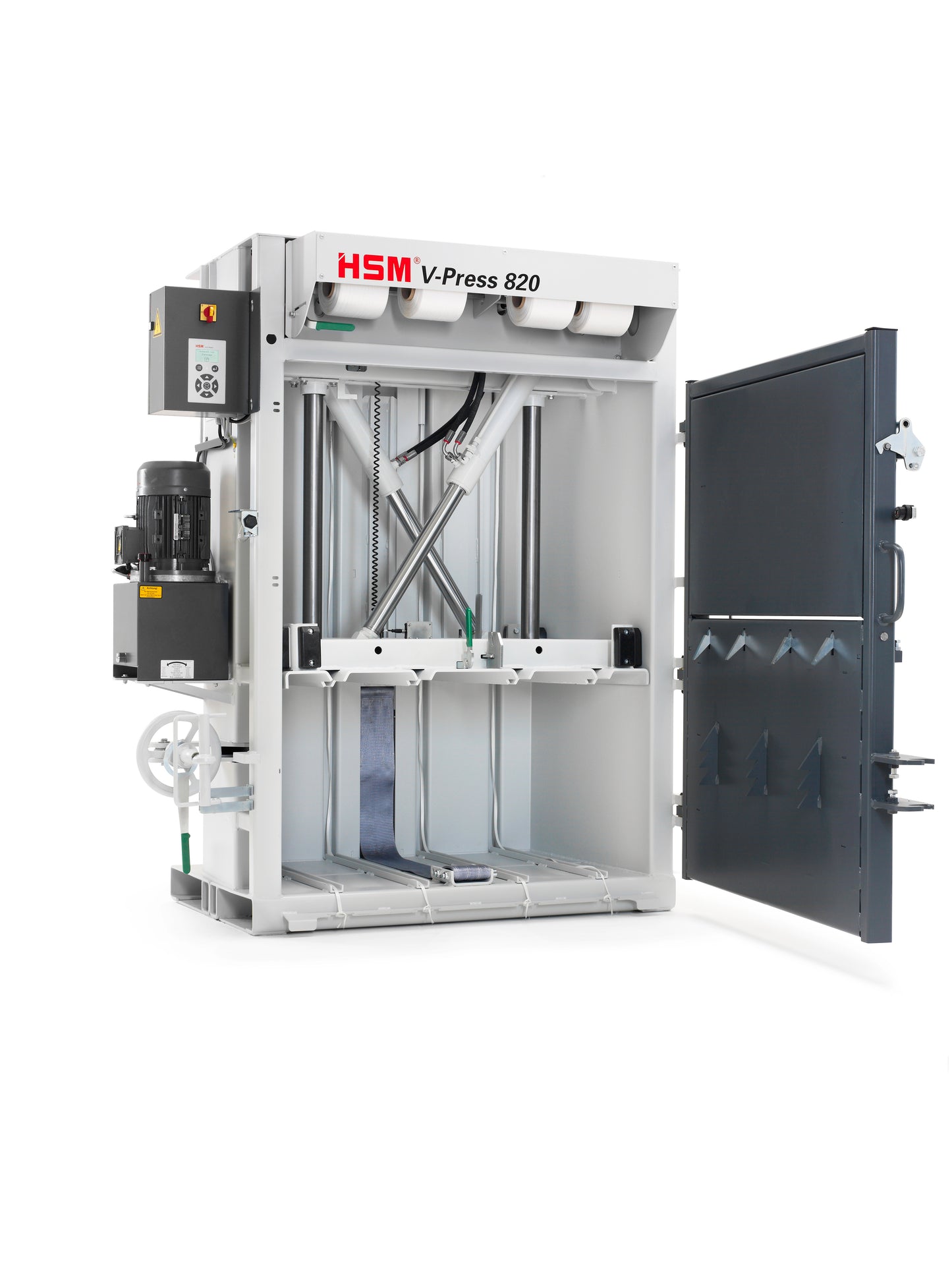
No. The 820 plus ties with four-fold continuous polyester tape, applied manually, which is why it is a more approachable machine than the wire-tied 1160. Tape is cheaper per bale, stores on a roll, needs no special tooling and is safer to handle. At 250 kg the bale does not exert the spring-back that makes wire necessary on a 550 kg bale.
How much floor and ceiling does it need?
1700 x 1075 mm of floor and 2499 mm of height, plus clear space at the front for the door to swing and a pallet truck to take the bale away. It weighs 1300 kg empty. Most standard industrial units accept it without modification, which is not true of the 2985 mm V-Press 1160. Confirm the clear height under services rather than to the underside of the roof.
How many bales will it make in a day?
That depends entirely on how fast material arrives, not on the press. Filling and compacting is intermittent: the operator loads, presses, loads again, and only ties a bale when the chamber is full. A site producing a tonne of cardboard a day will tie roughly four bales. The realistic limit on a vertical baler is how promptly someone empties it, which is why aperture size matters more than cycle time.
Can one person eject a finished bale?
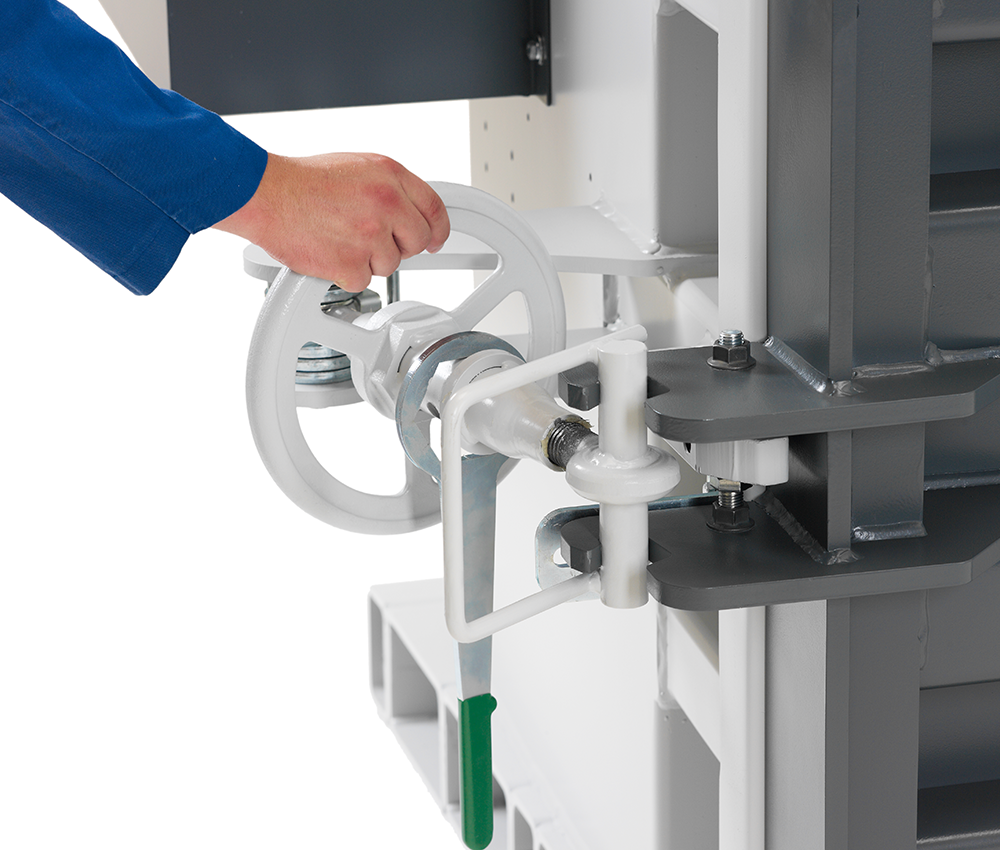
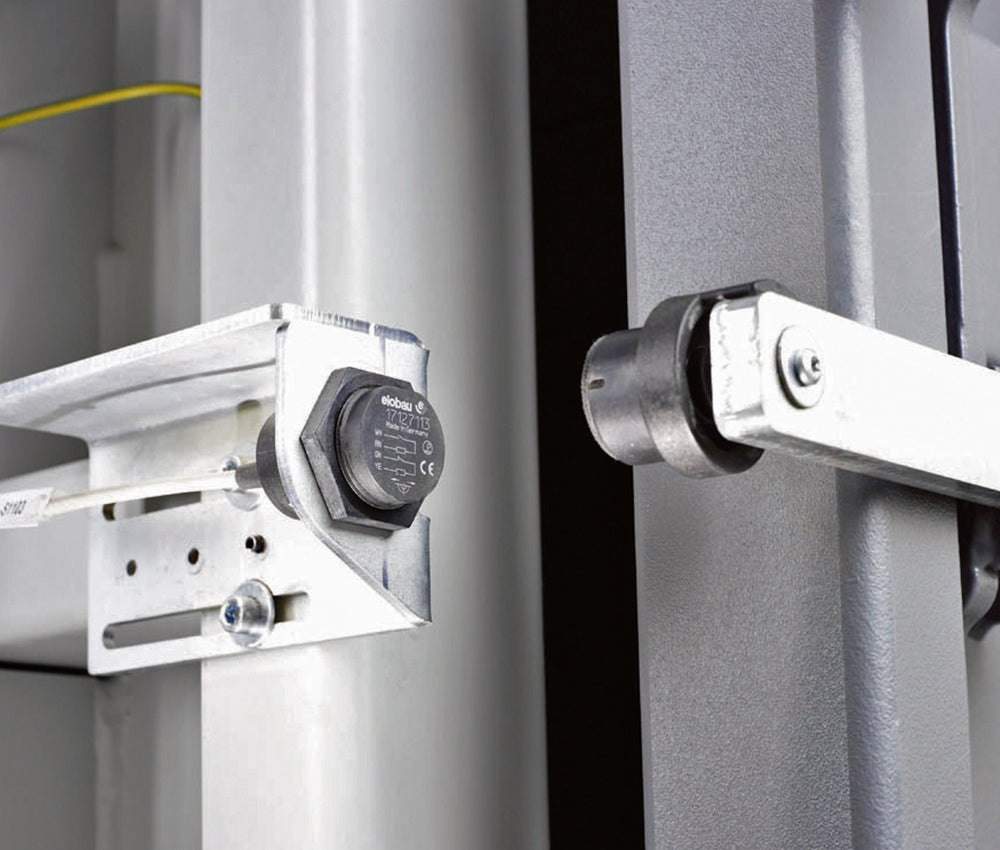
The ejection mechanism is manual, using the hand-wheel door lock, so one trained operator can release and tip the bale. Moving it afterwards is a different matter: 250 kg needs a pallet truck at minimum. Do not plan on staff dragging bales across a yard, and make sure the route from the press to the storage area is flat and clear.