1
/
of
17
HSM
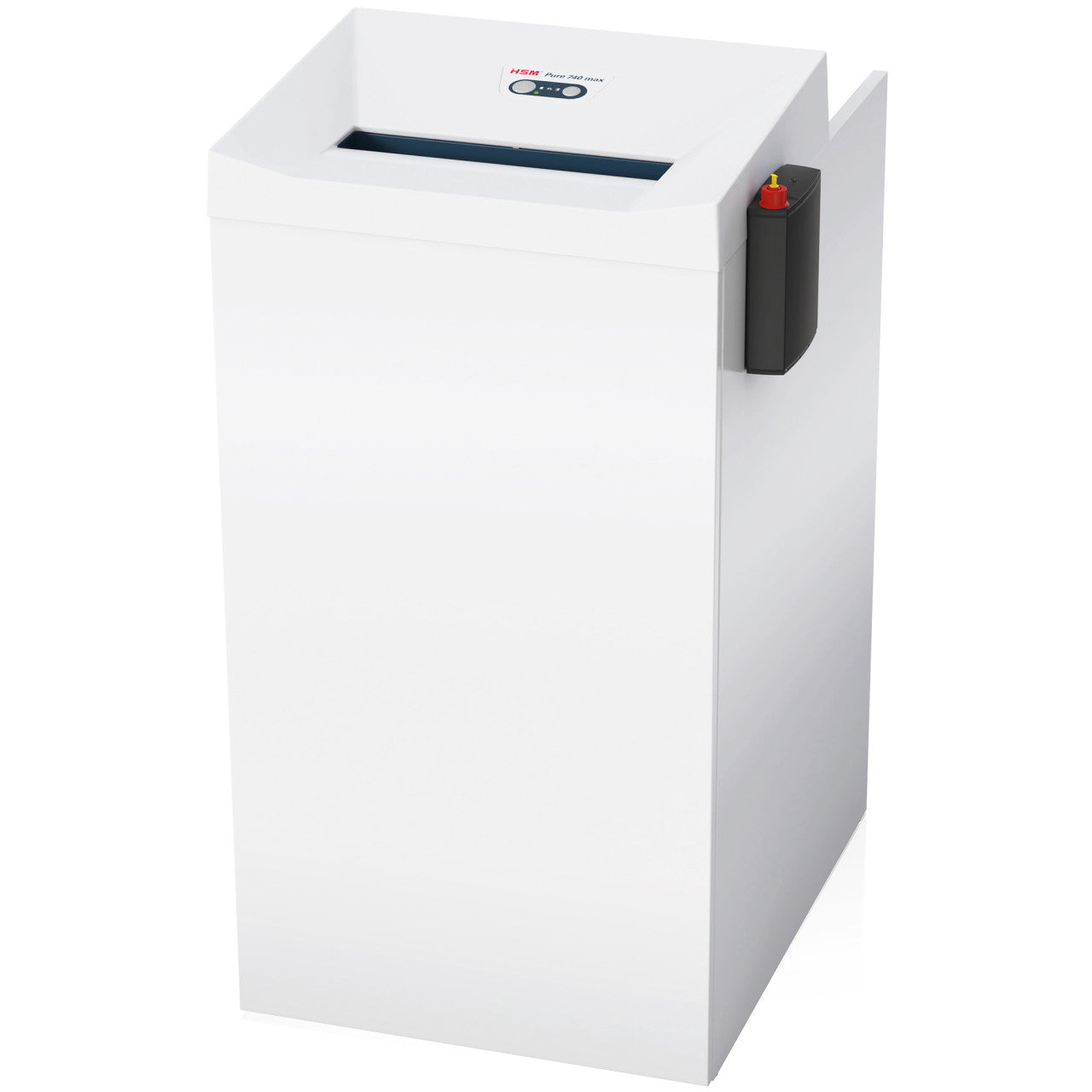
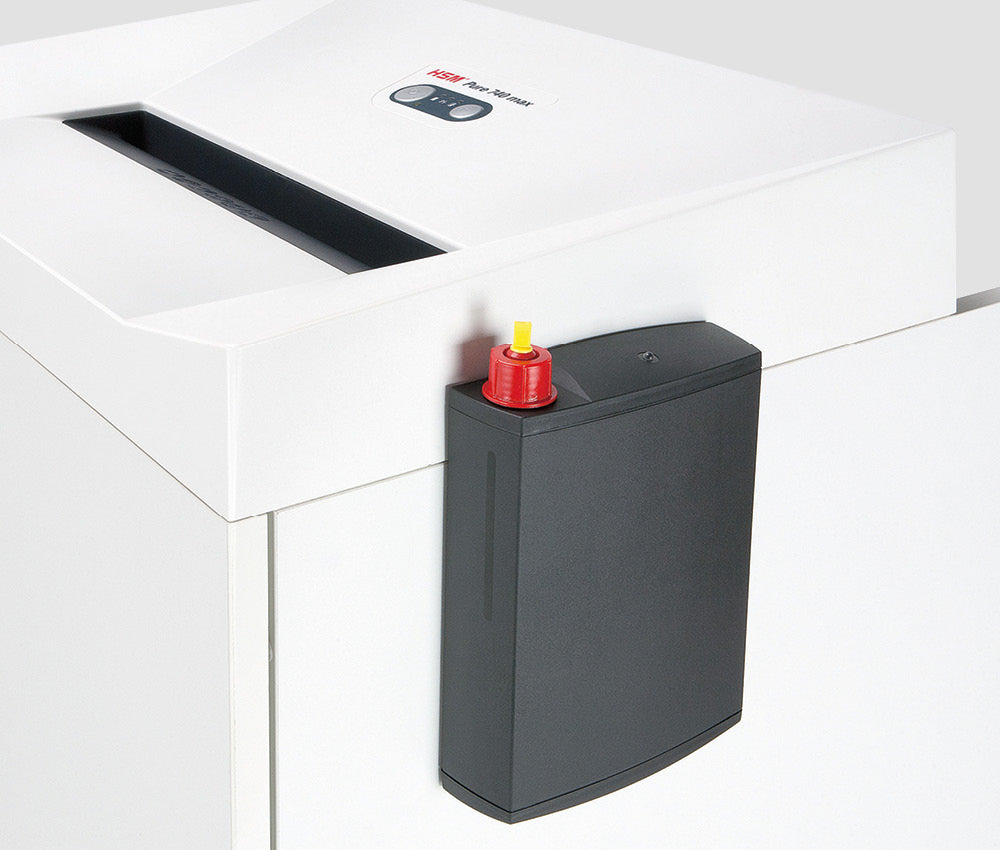
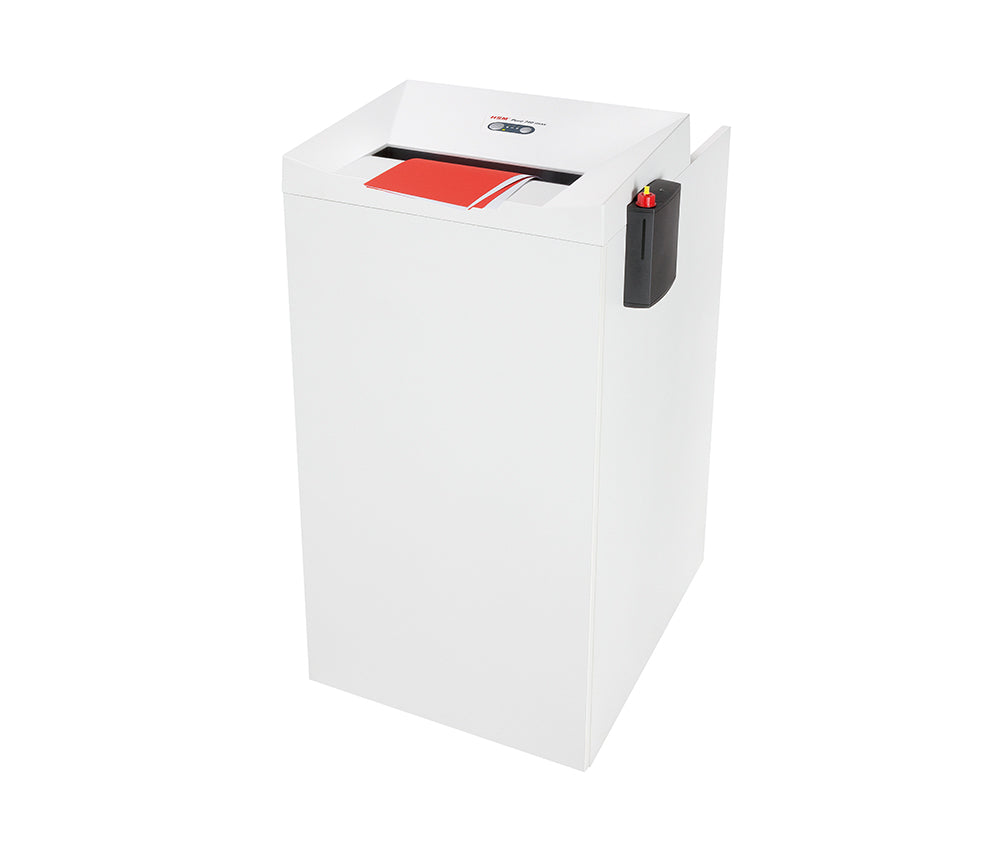
HSM Pure 740 max 3/16 x 1 1/8 with External Automatic Oiler - HSM2373M
HSM Pure 740 max 3/16 x 1 1/8 with External Automatic Oiler - HSM2373M
Regular price
$3,900.00 USD
Regular price
$4,986.84 USD
Sale price
$3,900.00 USD
Product listing details
- Vendor
- HSM
- Product type
- Document shredder
- Condition
- New
- SKU
- 2373113X
- GTIN
- 4026631075657
- Price
- $3,900.00 USD
- Currency
- USD
- Availability
- In stock
- Shipping policy
- Click to view policy
- Refund policy
- Click to view policy
- Return policy
- Click to view policy
🚚 Free Shipping Across the USA
Quantity
Couldn't load pickup availability
Description
Description
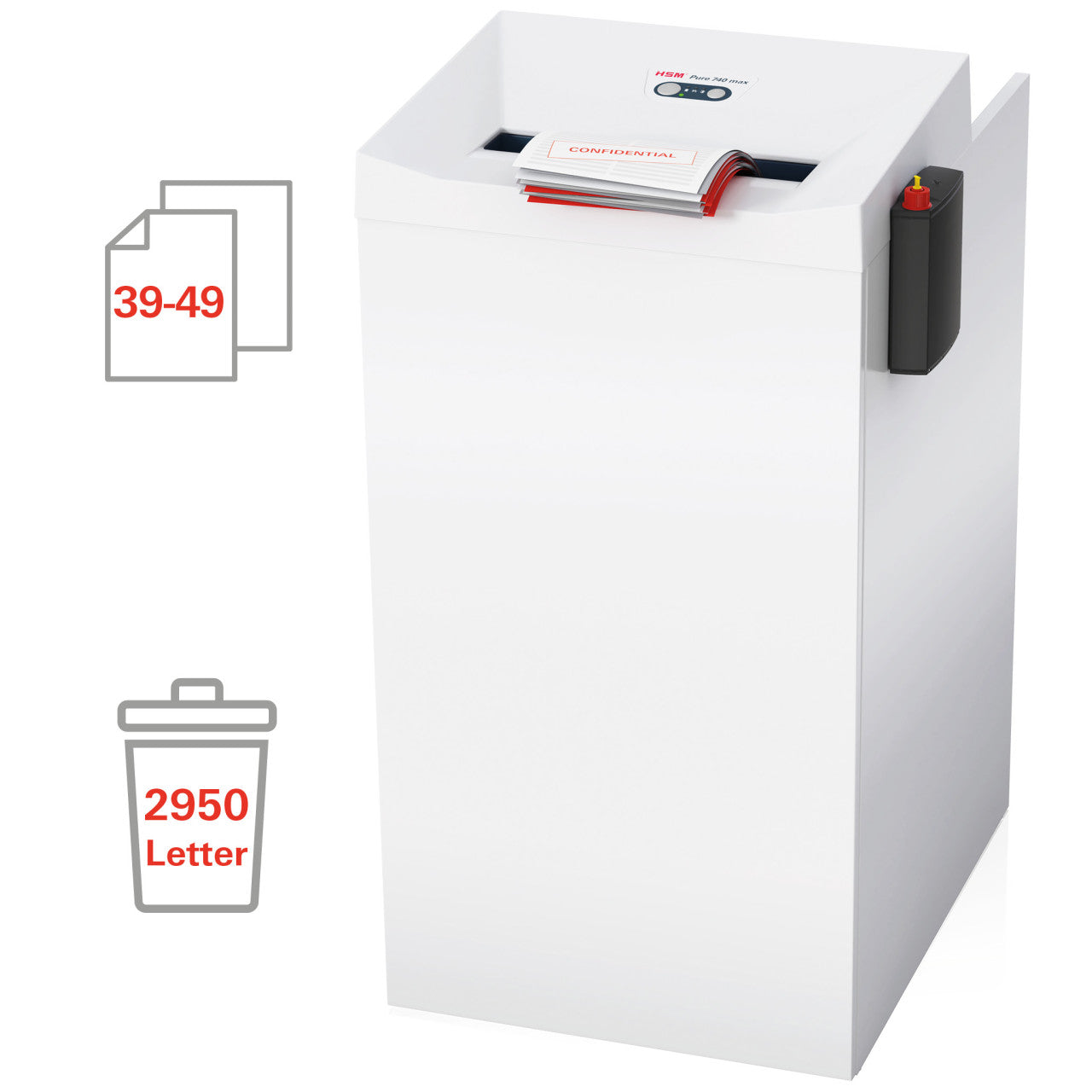
The HSM Pure 740 max with 3/16" x 1 1/8" particle cut and external automatic oiler is designed for demanding environments where secure document destruction and high-volume shredding are essential. This robust machine accommodates up to 22 sheets per pass and features a wide 15.75-inch intake, making it ideal for busy offices that handle large quantities of sensitive paperwork. Its advanced P-4 security level ensures that confidential information is thoroughly protected, while the generous 63.4-gallon collection bin minimizes interruptions for emptying. The powerful 700-watt motor provides reliable performance, and the automatic oiler keeps the cutting mechanism running smoothly for consistent results. With the ability to shred paper, staples, and paper clips, the HSM Pure 740 max offers versatility and convenience. Its quiet operation at approximately 56 dB(A) helps maintain a productive workspace, and the sturdy construction ensures long-term durability. Experience the efficiency and peace of mind that comes with professional-grade shredding from HSM.
Key Features
- High Sheet Capacity - Shreds up to 22 sheets per pass for efficient bulk shredding.
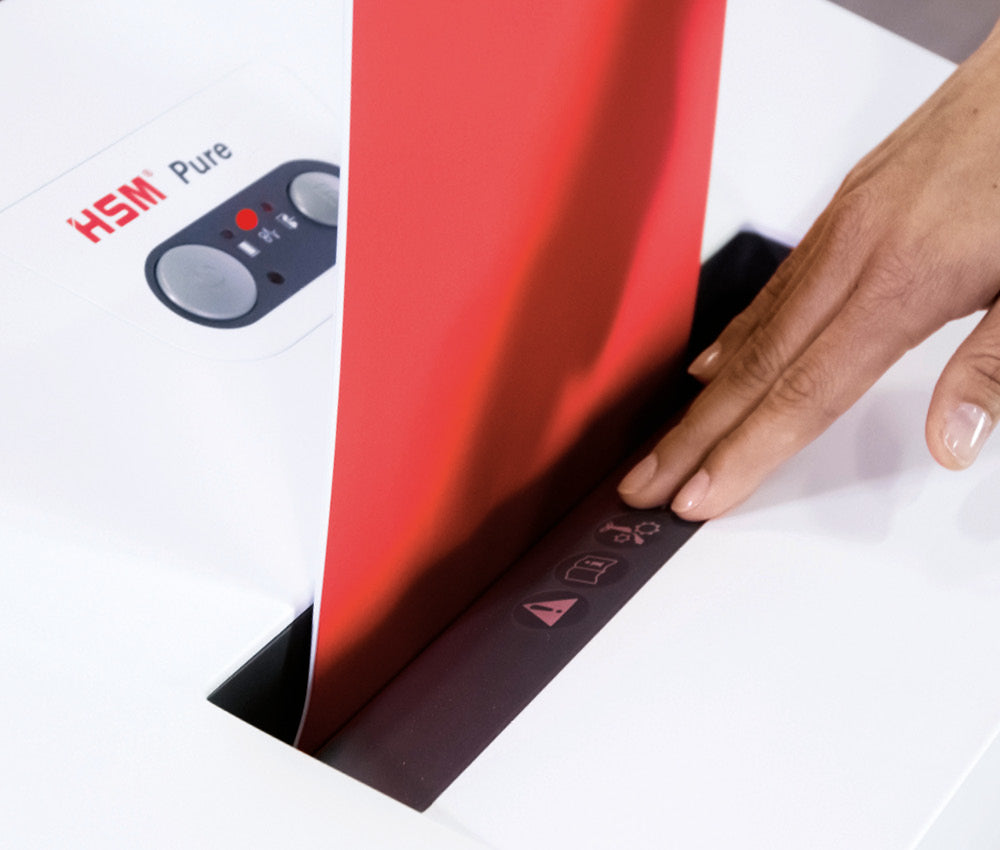
- Wide Intake Width - 15.75-inch feed easily accommodates large documents and stacks.
- P-4 Security Level - Delivers secure particle cuts for confidential document disposal.
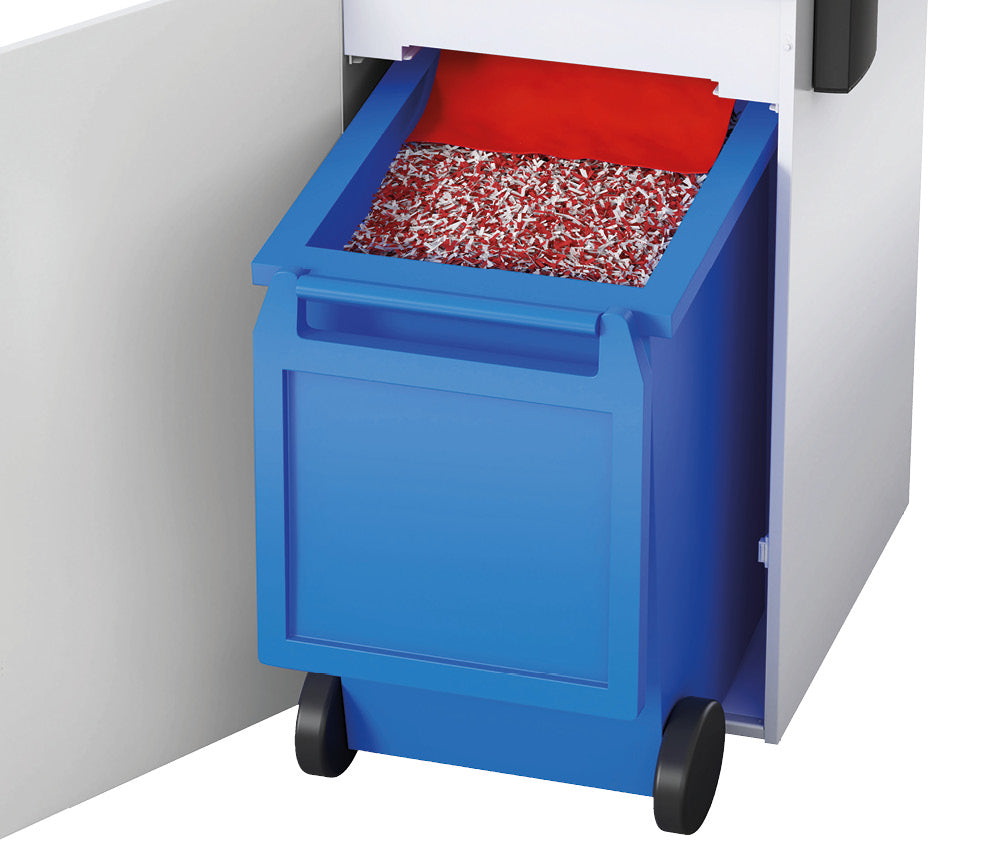
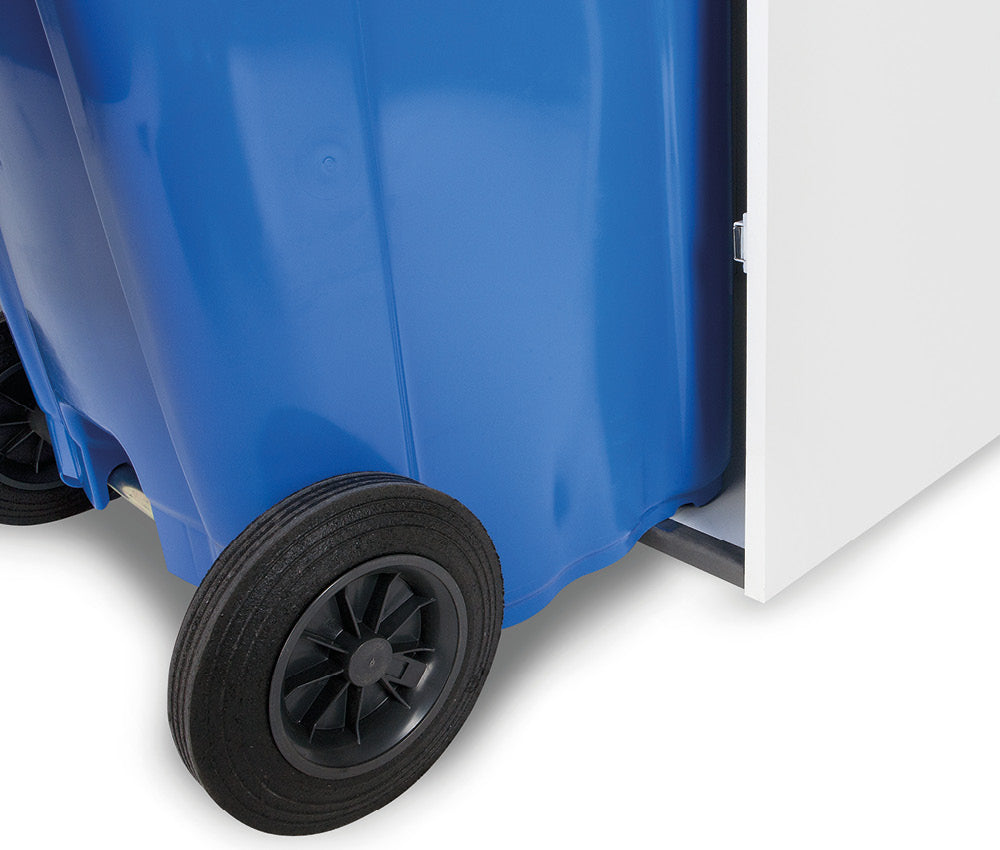
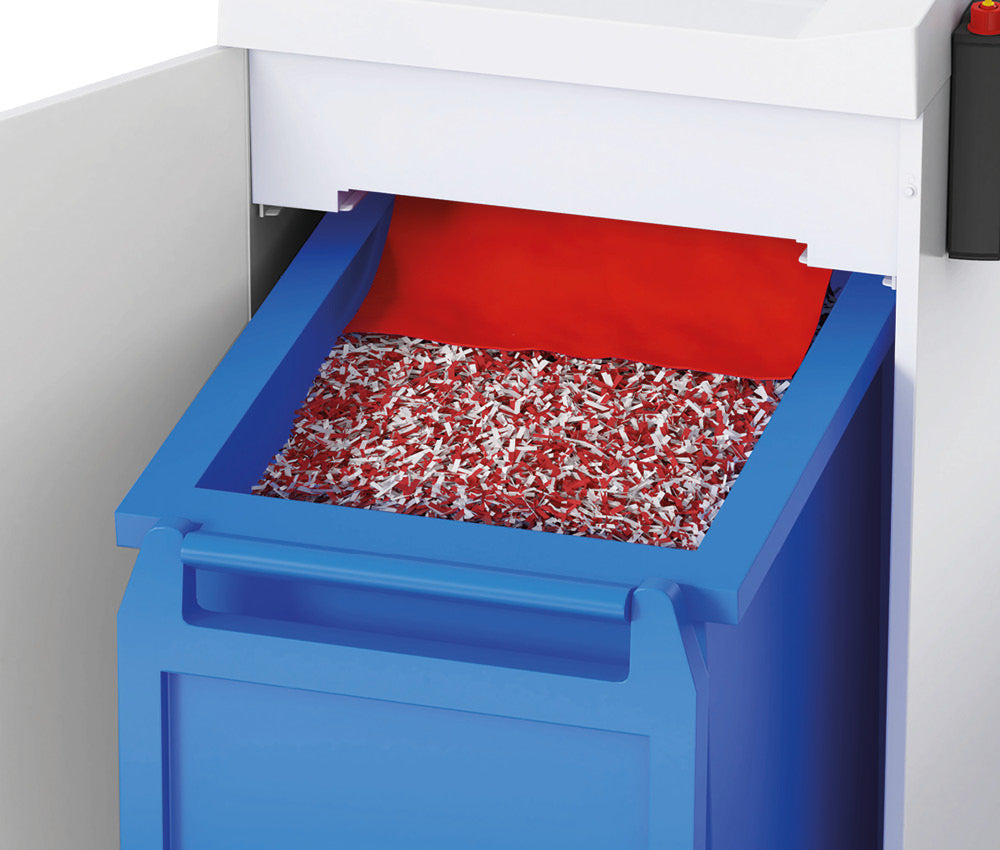
- Large Collection Bin - 63.4-gallon container reduces the frequency of emptying.
- External Automatic Oiler - Ensures continuous lubrication for optimal cutting performance.
- Powerful Motor - 700-watt engine delivers consistent, reliable shredding power.
- Quiet Operation - Operates at approximately 56 dB(A) to minimize workplace noise.
- Staple and Paper Clip Shredding - Handles documents with fasteners for added convenience.
- Durable Build - Sturdy construction supports long-term, high-volume use.
- Spacious Design - Dimensions of 26.38" x 30.87" x 53.03" fit well in shared office spaces.
- High Collection Volume - Can hold up to 2,950 sheets before needing to be emptied.
- 2373113X
- 740 Max P4
- HSM2373M
Product Specification
Product Specification
Machine Type
Large Office
Shredder Series
Pure
Cut Type
particle cut
Shreddable Materials
Paper, Staples and paper clips
Cut Size
3/16" x 1 1/8"
Bin Size / Container Volume
63.4 gal
Throat Width
15.75"
Power Consumption
700 W
Voltage
110-120 V / 60 Hz
Weight
168.43 lb
EAN
4.02663E+12
Security Level
P-4
Sheet Capacity
20 - 22
Dimensions (WxDxH)
26.38" x 30.87" x 53.03"
Product Resources
Product Resources