MBM
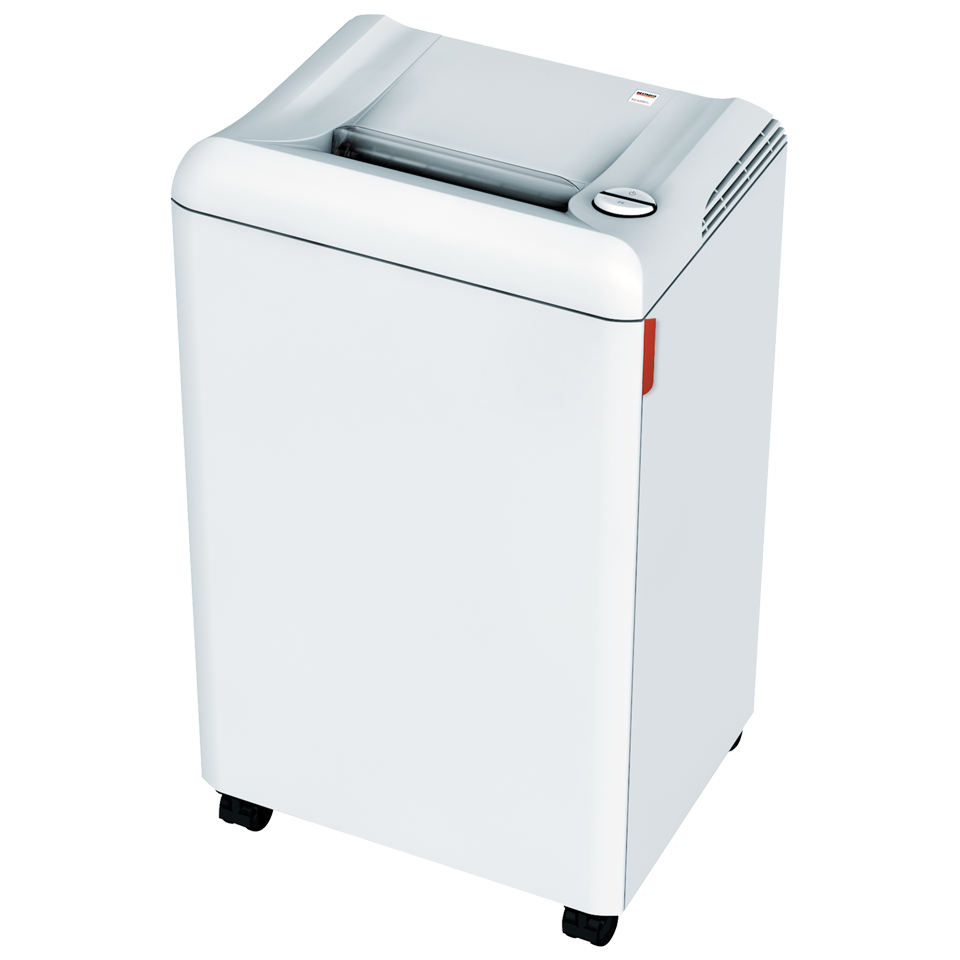
MBM DSH0302L 2503 cross-cut 3/16" x 1 1/2" (4 x 40 mm)
MBM DSH0302L 2503 cross-cut 3/16" x 1 1/2" (4 x 40 mm)
Product listing details
- Vendor
- MBM
- Product type
- Deskside Office Paper Shredders
- Condition
- New
- SKU
- DSH0302L
- GTIN
- 4019364579110
- Price
- $1,586.97 USD
- Currency
- USD
- Availability
- In stock
- Shipping policy
- Click to view policy
- Refund policy
- Click to view policy
- Return policy
- Click to view policy
🚚 Free Shipping Across the USA
Couldn't load pickup availability
Description
Description
The MBM Destroyit 2503 Paper Shredder is a compact, entry-level centralized office shredder with a 10.25” feed opening and a 20-gallon shred volume. Equipped with high-grade, hardened steel cutting shafts, it provides durable, lifetime performance. The patented safety flap ensures safe operation by preventing fingers from entering the feed opening. The Easy Switch control element uses illuminated color codes to indicate the shredder's operational status and functions as an emergency stop switch. Its environmentally friendly shred bin can be used with or without disposable bags. The shredder also features automatic start/stop, reverse, and energy-saving sleep mode for efficient, safe shredding.
Safety Features
- Patented transparent safety shield to protect fingers and hands
- Automatic cut-off when shred bag is full or the door is open
- Integrated photo cell that automatically starts and stops shredding
Special Features
- Easy Switch control element uses illuminated color codes and symbols to indicate operational status and functions as an emergency stop switch
- Patented, electronically controlled, transparent safety shield in the feed opening
- Automatic power cut-off when cabinet is opened or shred bin is full
- Automatic reverse and power cut-off when overfed
- Double protection against overheating
- Zero Energy Consumption sleep mode cuts off power supply after 30 minutes of inactivity
- Automatic start and stop controlled by photo cell
- High quality, hardened steel cutting shafts take staples, paper clips, and credit cards (strip-cut model takes CDs / DVDs)
- Lifetime warranty on the cutting shafts
- Quiet and powerful single phase motor
- Fully enclosed gear box housing
- High quality wooden cabinet mounted on casters
- Convenient, environmentally friendly shred bin does not require disposable shred bags
- Compliant with the Trade Agreements Act (19 U.S.C. & 2501-2581)
Product Specification
Product Specification
Product Resources
Product Resources