1
/
of
1
Fellowes
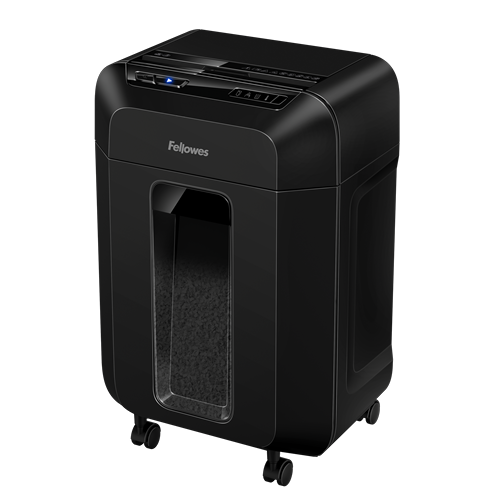
Fellowes AutoMaxª 100MA Auto Feed Shredder
Fellowes AutoMaxª 100MA Auto Feed Shredder
Regular price
$225.84 USD
Regular price
Sale price
$225.84 USD
Product listing details
- Vendor
- Fellowes
- Product type
- Autofeed Shredder
- Condition
- New
- SKU
- 4704001
- GTIN
- 043859784493
- Price
- $225.84 USD
- Currency
- USD
- Availability
- In stock
- Shipping policy
- Click to view policy
- Refund policy
- Click to view policy
- Return policy
- Click to view policy
🚚 Free Shipping Across the USA
Quantity
Couldn't load pickup availability
Description
Description
AutoMax™ 100MA Auto Feed Shredder
Special Features
- 2-in-1 auto feed shredder for fast and productive shredding: With both auto feed and manual shredding capabilities, automatically shred up to 100 sheets in 5 mins
- Jam-Free shredding: Jam-free with auto reverse function to prevent any misfeeds and reduce interruptions
- Superior security: assure peace of mind with this P-4 micro-cut shredder, shreds credit cards, paper clips and staples through the manual feed opening
- Run-time: continuously runs up to 7 minutes manual and 10 minutes auto feed, plus simultaneously shred via auto feed tray and manual feed opening
- Bin capacity: 4.5 gallon pull-out bin for easy waste disposal
Product Specification
Product Specification
Machine Type
Autofeed Shredder
Cut Type
Micro-Cut
Shreddable Materials
Staples, Credit Cards, Paper Clips
Cut Size
5/32" x 15/32"
Bin Size / Container Volume
4.5 gallons
Throat Width
9 inch
Voltage
110V - 220V
Weight
19.4 lb
EAN
043859784493
Security Level
P-4
Sheet Capacity
Up to 20
Dimensions (WxDxH)
20.25 x 13.39 x 9.84 inch
dB Level
SilentShredª
Product Resources
Product Resources